

Supportive, Professional, Client-Focused Service
From prototypes to full-scale production, we’ve got you covered.


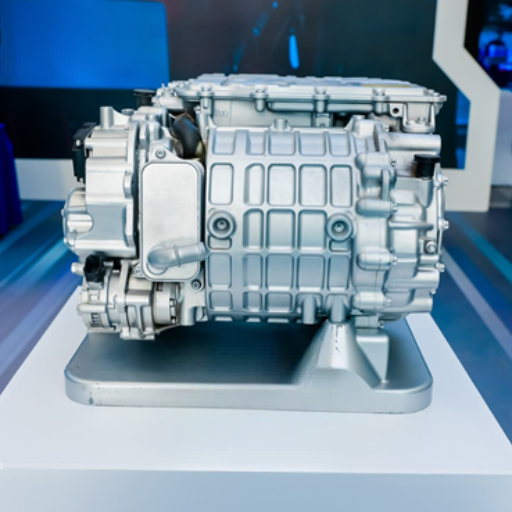
With the shift towards eco-friendly transport modes, there is a mounting pressure to invent new designs for electric vehicles. The effectiveness and performance of electric vehicles and the range can be improved by taking into account the materials from which the said vehicles are made. This is where magnesium comes in handy and it changes the perspectives of the manufacturers with regards to saving weight. Magnesium is one of such metals, quite literally less dense than steel but a lot tougher than aluminum and thus offers opportunities in EV magnesium parts to lessen vehicle mass and not endanger passengers. This article focuses on the means of upgrading electric vehicle technologies with magnesium and its application in the new era where the aspiration is to reduce energy-use and snot to pollute the environment.

The need for magnesium in the automotive industry is on the rise because of its superior characteristics. Magnesium is a kind of structural metal which is very light — it is mostly used in electric vehicles so that the weight of the materials used is less and energy is consumed efficiently. There is a trend toward the use of magnesium alloys in car parts including transmission cases, seat frames as well as battery compartments among others, revolutionising weight saving without any alteration to the strength and tenacity of the parts. Such a move not only improves the performance of the vehicle but also helps in cutting down energy expenditure and emissions, which is in favor of the worldwide trend towards sustainable development.
6–8%
Efficiency Gain
The U.S. Department of Energy has illustrated that a 10% decrease in a vehicle’s weight makes the vehicle 6–8% more energy efficient — directly contributing to the extension of EV range and addressing range anxiety.
Lighter vehicles are pivotal in addressing issues such as performance and green benefits in electric vehicles (EV) building. Vehicles’ mass can be eliminated to obtain increased range efficiency, for there is less energy consumed by a lighter car to move the same distance.
It should also be noted that apart from internal combustion engines, electric vehicles use less fuel compared to non-rigid-structured motor vehicles because rigid structural materials such as aluminium, magnesium alloys and carbon fiber composites keep weight down while acting as structural materials with high tensile and compressive strength at room temperature.
The market for EV magnesium parts will continue to grow as it has been supported by the need of the automotive industry to adhere to the stringent efficiency and carbon emissions protocol. In this way, the importance of light structures for aerospace applications is evident, not only because of the necessary performance of vehicles, but also bearing in mind that greenhouse gases and global warming should be overcome.
Lightweight & Low Mass: Combining lightweight and low mass with enhanced strength ratios and ease of machinability, magnesium is best suited for high-efficiency applications.
Impact Absorption: Magnesium alloys are alternatives that can carry more structural load uplift while shrinking bulk due to their ace energy impact absorption and high tensile impact resistance.
Thermal & Electrical Conductivity: Through proper treatment, magnesium actively presents elevated thermal and electrical conductivity, in addition to highly resisting corrosion.
Sustainability: High availability and recyclability, along with other excellent qualities, make magnesium one of today’s most sustainable structural metals.
Many electric vehicle (EV) design applications are now in the process of employing magnesium and its many advantages in terms of enhanced performance and promises of speeding up the efficiency. Magnesium alloys are at the front, aspiring to form a major component in EV components for better energy efficiency through lighter cars, reducing emissions. Magnesium alloys are a weighty means of reducing the weight of battery housings, structural frames, and whatnot, while guaranteeing safety and strength due to their lower density.
The latest data suggests weight reductions of up to 10% could increase energy efficiency by 6%, thus enhancing the prospects for increased EV range and driver satisfaction, thereby emphasizing the use of light materials like magnesium. Magnesium is particularly crucial to gaining range for an EV and ensuring consumer sustainability in the automotive industry.
Their electric production uses magnesium as a resource to increase the efficiency for vehicles thus aiding automakers to comply with the growingly tough new emissions regulations worldwide. The commonality of innovation, sustainability, and function mesh omnipotently herein to establish Mg as the central requirement and the lead factor for the crystallization of clean and efficient electric mobility in the future.
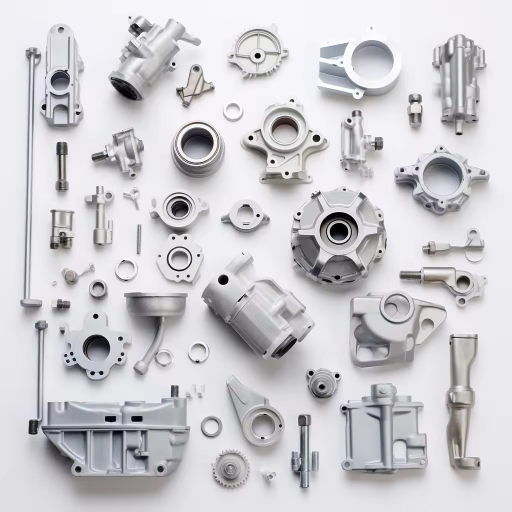
The magnesium-based alloys used in the automotive industry fall into two different categories, namely: the cast or wrought material.
Choice of alloy selection is based on specific application requirements that are balanced between variables such as weight saving, mechanical performance, and cost efficiency.
Magnesium is compared with aluminum, titanium, and carbon fiber in terms of lightweight materials.
| Parameter | Magnesium | Aluminum | Titanium | Carbon Fiber |
|---|---|---|---|---|
| Density | 1.74 g/cm³ | 2.7 g/cm³ | 4.5 g/cm³ | ~1.6 g/cm³ |
| Strength | Moderate | High | Very High | Very High |
| Corrosion | Low | Moderate | High | High |
| Cost | Low | Moderate | Very High | High |
| Machinable | High | High | Moderate | Low |
| Durability | Moderate | High | Very High | Very High |
| Recyclable | High | High | Moderate | Moderate |
This table highlights the relative advantages and trade-offs among magnesium, aluminum, titanium, and carbon fiber based on key parameters.
Counterbalancing the lightweight machinery primary advantage of magnesium alloys is a weakness they face against pitting and corrosion as compared with other materials like aluminum and titanium. This is primarily because of high chemical reactivity magnesium displays and its ensuing instant degradation by oxidation, potentially caused by moisture, saltwater, or a humid environment. As such, magnesium alloys are referred to as having low resistance to corrosion unless they undergo some preventive safeguards.
Several methods are mentioned to improve the corrosion resistance of magnesium alloys. Some of the methods are proper surface coatings; the use of corrosion inhibitors is one such method. Alloying magnesium with additional metals, rare earth metals could have an altogether different result. It would possess a larger deal of resistance against corrosion. Any form of surface coating, magnesium oxide, can be a shield rupturing down against corrosive threats. Advanced alloys’ impact on the enhancement of corrosion resistance, on the other hand, has shown hope; coupled with maintaining its other qualities, this type of alloying has a potential advantage on corrosion, due to enhanced resistance.
Despite these propositions, magnesium alloys need to be handled with care when put to work in scenarios under aggressive environmental stress. They tend to be used in a controlled environment or in association with protective coatings. Magnesium alloys would still suffice as a good choice for a lot of lightweight design frontiers if all the corrosion limitations are regulated properly.
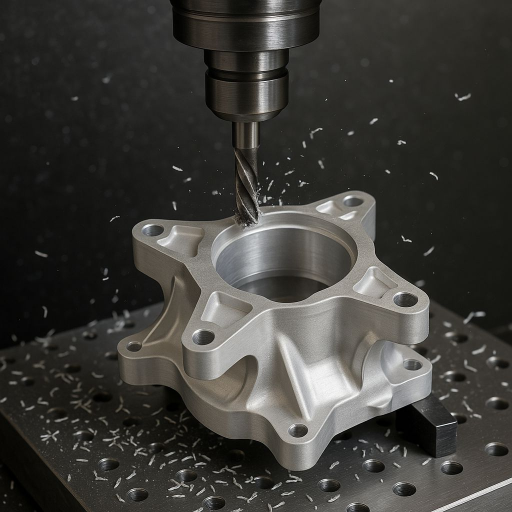
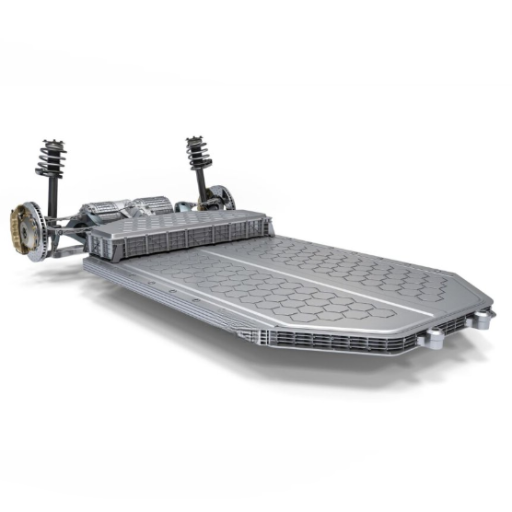
The magnesium battery cells in the electrified vehicle’s aggregate stack core remarkably in virtue of magnesium’s lightness and dense energy tracking capacity. The magnesium-contained battery, a supplement entering the scene of lithium-ion cells, endeavors to enhance energy density to scale down the dependency on rare materials like cobalt and lithium. Greater abundance and environmental sustainability in magnesium could well pave the path for cost-effective production of EVs. In addition to that, relatively greater safety is advancing as an additional advantage mainly because magnesium batteries are less prone to the usual overheating of conventional lithium-ion batteries. Challenges lurk down the road, for sure; unavoidable then, yet there may be problems in the future for things such as appropriate electrolytes and charge and discharge characteristics.
The growing prominence in the development of magnesium die-cast components for electric vehicles (EVs) is due to their unique characteristics. Magnesium is one of the lightest engineering metals making it perfect to decrease the total vehicle weight of EVs while maintaining structural integrity. Manufacturers can improve energy efficiency, expand the driving range, and cut carbon emissions by incorporating magnesium die-cast components to replace steel or aluminum components in heavier weight. Moreover, the ability of magnesium to be die-cast into complex shapes simplifies the process of manufacture, thus leading to reductions in production costs.
However, there are a few challenges that remain. Magnesium is highly susceptible to corrosion, but protective coatings have developed over recent years, thus lowering this issue substantially. Moreover, upon ramping up EV production, increasing magnesium demand might require their producers to have enhanced mining and recycling infrastructure for a stable and sustainable supply chain, leading, with consistent innovation and investments, to a brighter future for magnesium and EV manufacture, thereby yielding both environmental and performance advantages.
Magnesium gearbox mountings prove to offer several advantages to an electrical vehicle, benefiting from the material’s lightweight property. Relative to standard aluminum or steel, magnesium is significantly lighter, along the process of reducing the overall weight of the vehicle. This reduction in weight increases energy efficiency, leading to higher travel range limits of the EV, giving the consumer good reason to buy such a vehicle. Besides that, magnesium is a good conductor of heat; hence dissipates the heat generated by electric drivetrains into the environment, significantly improving their performance and longevity.
The sustainability agenda is further supported by magnesium housings. Magnesium has gotten improved in energy efficiency in processing and very favorably being recyclable. In this path, the environmental concern of today and the next for EV makers will find commendation. On the flip side, quite some early apprehension about magnesium entitled the debate about corrosion resistance. However, developmental and practical trials in magnesium-coating advancements plus alloy technologies applied in today’s new EV applications for durability and resistance to environmental effects confer stability. Keeping the substitution factor in mind, magnesium poses advantages, owing to its strength-to-weight ratio and potential uses in electric intensity scenarios for proper electromobility.
⅔
Lighter than
Aluminum
¼
Mass of Steel
6–8%
Efficiency per
10% Weight Cut
One useful approach toward lightweighting electric vehicles is magnesium owing to its incredible strength-to-weight ratio. Since magnesium is about two-thirds lighter than aluminum as well as one-fourth the mass of steel, it permits manufacturers to design components that are both light and still strong enough to survive the applications. A study has substantiated that reducing vehicle weight by 10% can enhance energy efficiency by 6-8% and hence the range of electric vehicles can be improved. This is especially critical in order to answer the perennial issue associated with electric vehicles — the fear of being stranded because of minimal EV range.
Apart from the advantages gained from weight savings, batteries are more efficient under acceleration when a vehicle is lighter (after all, batteries cause the vehicle to start accelerating), which will vastly contribute toward battery life and performance. The manipulative characteristics of magnesium also make it relatively easy to adapt critical components employed in electromobility — for example, transmission casings, battery housings, and structural frames. Furthermore, increased sophistication in manufacturing technologies and alloy formulations has the effect of reducing costs and, of course, environmental costs, further contributing to the ever-deepening reliance of magnesium in driving electromobility.
The integration of magnesium into battery housing and gearbox application have shown great progress in modern electric mobility. Industry insiders have observed that magnesium alloys are getting special preference due to their unique strength-to-weight ratio, further qualifying them for lightweight yet robust components. The alloy is very good at cooling, thus contributing to thermal management in battery housings, a factor that is very essential for battery operation and safety in electric vehicles. In addition, magnesium has inherent corrosion resistance that is further improved by advanced coating and treatments, making it an efficient material with long-term reliability in a wide range of environmental conditions.
Usage of magnesium in transmissions provides increased stress capacity and longer fatigue life which is essential for the strength and durability of heavy, heavily loaded structures. Data suggests that enhancements in alloying alloy have made magnesium fatigue-proof enough to answer the strength doubts that had previously prevented its use in high-stress structural applications. These developments underscore the growing importance of magnesium upon the development of next-generation electric vehicle design and, thus, the shift to more sustainable and effective modes of mobility on an industrial scale.
Roadmap Ahead
Advanced alloys that combine lightness and developed strength and wear properties.
Enhancing the thermal stability and resistance of magnesium alloys to corrosion by integration of earth alkali and lanthanide metals.
New processing techniques from casting to additive manufacturing — forging will make it possible to work elements that are difficult to cast in magnesium metals.
Enhanced recovery and recycling technologies for the recovery and utilization of recyclable magnesium in the mass — making magnesium a more dependable and environmentally sound material for the next era’s electric vehicles.
What does the market report say about the magnesium automotive parts market?
The chief trend seen in the magnesium automotive parts market is that there is a conspicuous increase in the allocation for EV in magnesium parts since the manufacturers are looking at weight reduction through magnesium or magnesium-aluminum alloy combinations in the vehicle, thereby giving them better adaptability to increased efficiency and longer travel range. The market report will also bring the market share and market value as well as magnesium investment, highlighting the increased demand for magnesium-loaded automotive parts globally in connection with composite of aluminum, magnesium, and magnesium in cooperation with the bulky parts.
What is the 2026 global forecast for the magnesium automotive parts market?
Analysts believe that the global magnesium automotive parts global market is set to increase with smaller vehicles turning to EV platforms by 2026. Market research shows the increase in the size of this market mainly achieved through monthly EV sales and through wrapping magnesium alloys for application to reduce the overall mass of the vehicle thus increasing vehicle efficiency and driving range. Additional capital in the form of magnesium investments and technical developments in the second-generation MG alloy casting technology has rendered great support to extend furtherance.
What is the present market size and market value of magnesium automotive parts?
Market size estimates vary depending on the source. However, the global market report on automotive parts drawn up in 2024 overviews conditions favoring growth in magnesium automotive parts — this being due to their growing role in the automotive production field. Magnesium automotive parts market value saw a rise only between the years 2014 and 2024 owing to the increasing use of this lightweight material and a parallel drive to reduce vehicle weight, and there are obviously regional differences in, for example, Europe magnesium automotive parts market and American magnesium automotive parts market figures.
What are evolving applications for magnesium and magnesium alloy products in electric vehicle components?
Magnesium use and magnesium alloys center mostly on supporting the reduction in weight to enhance energy efficiency. The common EV magnesium components include motor casing, battery casing, suspension components, and structural members. The use of these alloys in electric vehicle applications enhances the efficiency and driving range while affecting the choices of automotive manufacturers and the big magnesium alloy industry.
How does the magnesium automotive aftermarket weigh against traditional automotive markets?
On the other hand, the global market embraces the enormous growth of magnesium and magnesium-aluminum hybrids for electric vehicle performance requirements than the traditional market, which centers around the weight of magnesium. Global market automotive parts-associated reports show a clear division in growth rates from one period to another. Various locations reflect rapid acceptance of magnesium parts that come from swift EV invasion due to diminishing weight and its performance modifications, posing supply chains and manufacturing bases that are transitioning from steel to light materials.
Magnesium-Ion Batteries for Electric Vehicles: Current Trends and Future Perspectives
This paper explores the potential of magnesium-ion batteries in electric vehicles, discussing their efficiency and future applications.
Access the study here
Prospective Life Cycle Assessment of an Electric Vehicle Equipped with a Model Magnesium Battery
This research evaluates the environmental impact of electric vehicles using magnesium-based battery packs.
Read the article here
Investigation and Analysis of Properties of Magnesium Alloy for Suitability to Electric Vehicle Components
This study examines the properties of magnesium alloys and their suitability for use in electric vehicle components.
Access the study here
Advanced Materials Supply Considerations for Electric Vehicle Applications
This article discusses the strategic use of materials like magnesium alloys in electric vehicle manufacturing.
Read the article here