

Supportive, Professional, Client-Focused Service
From prototypes to full-scale production, we’ve got you covered.



It could be a difficult choice to pick the ideal material for your project especially when comparing copper, brass, and bronze—three metals which are so visibly different and also differ in properties, applications, and benefits for wide-ranging uses. Whatever you’re planning to do—an architecture project, a decorative piece, or an industrial component, all of which can only attain given purposes, an almost momentous job is understanding just how each mixture of the three groups is actually really special. We will list the differences between these metals discussing durability, appearance, cost, and suitability against specific needs to let you make an informed decision going forward. At this point do read and figure out which metal would indeed prove to be a more beneficial choice for your intended course.
Brass, copper, and bronze are three different metals with their own peculiar attributes and uses. Copper, a single-element metal, possesses excellent electrical conductivity, ductility, and resistance to oxidation rendering its use ideal for electrical wire and plumbing systems. Brass, an alloy of copper and zinc, is stronger and more durable than copper, and the yellow hue commonly endowed to it has had to satisfy musical instruments, decorative fixtures, and functional fittings. Bronze, the third of these metals, the result of an alloy containing copper and tin, is recognized as a purple-painted metal. It is notable for its hardness, wear resistance, and ability to withstand harsh conditions-consequently it finds use in machinery parts, sculpture, and marine applications. Material selection focuses on keeping in mind features of such a system that can help make the most suitable choice for given requirements.
Brass is a metal alloy which contains copper and zinc in different ratios to create various mechanical and visual characteristics. The material contains minute quantities of lead and tin which function as additional elements to improve its ability to be machined and its protection against corrosion.
Bronze is an alloy which consists of copper and tin as its main components while allowing the addition of aluminum and manganese and phosphorus as extra materials. The components are included to enhance the material’s strength and durability while making it appropriate for particular use cases.
Copper exists as a metal which exhibits outstanding ability to conduct electricity and thermal energy. The metal exists as 99.9% pure copper in its unalloyed state although it may contain tiny amounts of impurities and exist as a component in brass and bronze alloys.
The physical and mechanical properties of brass, bronze, and copper show their distinct differences because of the materials used in their production and the purposes for which they are designed.
Brass is that mixture of copper and zinc, and when it yields malleability as well as corrosion resistance and covers a shiny look akin to gold with nice decorative aspects and practical application availed. The typical tensile strength of brass is from 200 MPa to 550 MPa, and its melting point falls between 900 and 940 degrees Celsius depending on its particular composition. People have used this alloy for countless years in a variety of applications because of its excellent machinability, among other musical properties.
Instead, brass is the alloy of copper and zinc that sometimes contains small amounts of other elements like aluminum or arsenic. Its phenomenon is achieved by a particular quantity of hardness values capable of withstanding wear and fatigue, allowing them to achieve mechanical properties instantaneously (315-760 MPa). Brass is unarguably largely recognized in the utmost friction properties owing to its application in a number of applications like bearings, bushings, and gears. Melting points are higher than these of brass; about 950°C to 1,050°C.
Copper, as regards the pure metal, has the highest thermal and electrical conductivities. Vast sums of the stuff are used in wires and electrical components because they are viewed as pretty irreplaceable. In addition to this attribute copper has only 210 MPa tensile strength, making it a soft material, however an almost unparalleled amount of ductility versus the tolerance from every corrosion rate up to that point only equates to a corroded copper’s corrosion; this metal’s atomic melt temperature is 1,084°C.
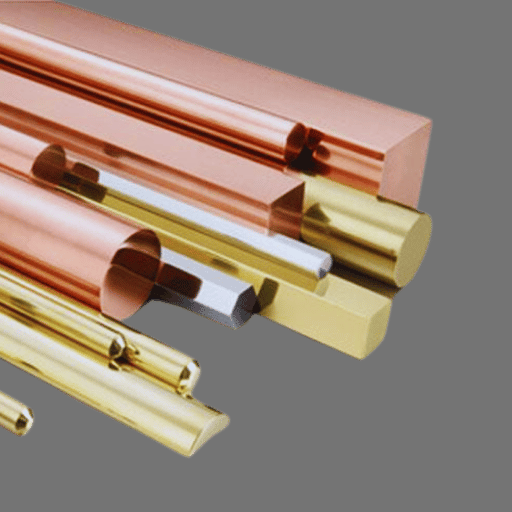
The reason brass is highly cherished is because structural strength and toughness with corrosion resistance designate it to several applications in the industry. The material automatically brings about some form of resistance to corrosion as a result of the presence of both of its components, which shield against the rotting of metal in the high-humidity atmosphere. Brass is made somewhat more attractive than copper due to its reputed tarnish resistance, in view of its application in decorative and functional areas. One of the ways brass is making progress is in generating new types of products that possess marine resistance. The reason some of its types are in use in the shipbuilding industries are predominantly as a results of their saltwater corrosion resistance. The most important thing is the development of brass alloys is that it enables engineers to generate materials that provide high-level corrosion protection that will serve in a variety of cases. Brass was chosen because it’s very reliable, can perform well, and has that aesthetic which could appeal to the taste of the office’s customers.
Because it has strength and can resist corrosion, bronze’s properties qualify it to have many applications. The presence of copper and tin provides a capability of withstanding such environmental exposures as moisture, saltwater, and industrial contaminants. This dark finish, known affectionately as patina by artists and craftspeople, forms a barrier to decay, thus deadening damage to the bronze while enhancing its aesthetic qualities.
Bronze can, in particular, retain its superior resistance against saltwater corrosion. This is why bronze is particularly recommended for its numerous applications in marine environments, within which it comprises ship propellers and bearings and other supporting components. This durable material functions impressively in working within a tough environment where it can withstand a wide range of stresses. Increasing demand for bronze in the context of sustainability, i.e. design and manufacture, is now seen here. This is to be elaborated by the metal’s recyclability and a long service life, which spark the mutual vision of contemporary industrial and environmental aims. Achieving the certainty of service life actually demands the durability of mechanical properties and resistance properties together, thus promising the material’s widespread applicability in various fields of many industries.
Copper has been the material of choice for industries since they discovered its robustness and corrosion resistance. The metal will form a protective patina to be an impervious shield against potentially destructive environmental factors such as moisture, air, and specific chemicals which will ultimately increase its life span. Gradually, there has been enthusiasm in utilizing copper in the service of sustainable buildings and electrical systems due to its inherent recyclability and extended life. This demand is translated and brought forth to material needs where the need is to fulfill both market requirements and green requirements relating to environmental protection. Both the properties of durability and recycleability assure copper as a great sustainable solution to present-day extremities and the in-vogue aspects of engineering and design.
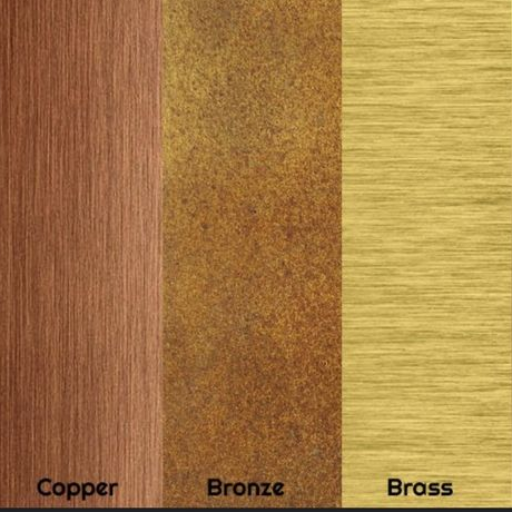
Brass is one of the cheapest, followed by bronze and with copper being the most expensive due to its purity and additional uses.
| Material | Cost ($/lb) | Strength | Corrosion | Malleable | Common Use |
|---|---|---|---|---|---|
| Brass | ~2-4 | Medium | Moderate | High | Plumbing |
| Bronze | ~4-6 | High | High | Moderate | Bearings |
| Copper | ~6-8+ | Medium | High | High | Wiring |
The long-term economic value of brass bronze and copper depends on three main factors which include the metal’s strength, its ability to be recycled, and the time period during which it can be used.
The element which solidly integrates the recycling of brass is the permanent economic value given to the material due to its recycling ability that can last in multifarious cycles. Brass is a very favorable, cost-effective choice that proves to be an asset for plumbing, instruments, and decorative objects, being both strong and malleable. It, nevertheless, effectively affords corrosion protection over long periods, saving a lot of money in maintenance along the water and moisture sides.
Bronze with its substantial applicability will weather-endure, being incredibly durable and so a long-lasting material perfect for bearing, gears, marine hardware, and other systems. Increased component costs are partly proportionate to the longevity which comes up for consideration sooner rather than later at the time of planning. So immense is the next phase that bronze use becomes indispensable for a remarkable number of basic functions, knowing that the value of the raw material is always in good standing.
The heavy expense attached to the copper is attributed to its superior electrical conductivity that could not be replaced by any other material-so that it has become the most applicable one to wire electric circuits, renewable systems, and electronic gadgets. Although thankfully reducing environmental damage, such metal-the most recycled on the globe-always eludes possibilities of price curtailment as per the global environmental trends, migrating under electric systems and through truly enigmatic applications. And as an essential player for tomorrow’s growth, economically, the metal can also put up with the developments into another future friendly technology, as it remains embedded in the infrastructures of roofing and wiring.
These three metals serve towards long-term sustainable economic benefits where bronze renders property in the form of durability, brass now appears to offer pliable cost-effective solutions, while copper stands at technological points for energy research and advancement.
Of the three metals brass stands out as the most affordable option which makes it popular for projects that need cost-effective solutions with moderate strength. Brass requires maintenance through cleaning because regular cleaning prevents tarnish build-up and helps preserve its original look.
Bronze offers better strength and higher protection against wear and corrosion which results in a price that exceeds the cost of brass. The product endures through time which results in decreased replacement needs thus providing customers with long-term expenses that remain affordable. Bronze requires maintenance through scheduled oiling or waxing which protects its exterior while extending its lifespan.
The high demand for copper in both electrical systems and sustainable technology applications makes it the most expensive metal. The product needs little upkeep but develops a patina which people consider visually appealing. The product needs only periodic cleaning to maintain both its operational capacity and visual appearance.

Brass has become a common material in construction and manufacturing because it offers excellent machining capabilities and long-lasting strength and attractive visual characteristics. The alloy consists of copper and zinc as its main components, which give it value because of its ability to resist corrosion and its strong mechanical characteristics. Brass serves as the main material in plumbing systems because its corrosion resistance allows pipes to last for extended periods when used in water and heating systems. The material’s ductility allows engineers to create exact parts, including gears and valves and fittings. Brass not only provides practical applications but its golden color creates decorative appeal, which people use to enhance architectural features such as railings and door handles and fixtures. The recent search patterns show that people have developed a stronger interest in sustainable recyclable materials such as brass, which has resulted in increased demand for these materials in both construction and manufacturing industries.
The art of jewelry making has relied on bronze as an essential material since ancient times because of its enduring strength and flexible application and its ability to produce various color shades. The material functions as a suitable medium for sculptures because it enables artists to achieve detailed results through casting which works for both miniature and extensive artistic creations. The process of bronze developing a natural patina with time results in an attractive aesthetic effect which provides completed artworks their distinctive antique appearance. Jewelry designers use bronze because it provides both strength and low cost which enables them to produce beautiful designs that range from basic to complex. Artists continue to use the metal because its warm shades and flexible properties make it a permanent material for creative work.
Copper being an electrical conductor, and because of its excellent conductivity; it can be sustained for a long time and also exhibit performance dependability. With the smallest loss from energy consumption, it now makes copper highly preferable for any wiring or electrical appliances. This metal presents exceptional electrical conductivity and low-energy losses; it also displayed good heat, corrosion, and also ensures long-term performance in arduous environmental conditions. It could be said that copper is essential for serving both operational efficiency and environmental sustainability in all electrical systems ranging from household wiring right to the largest of power distribution system networks.
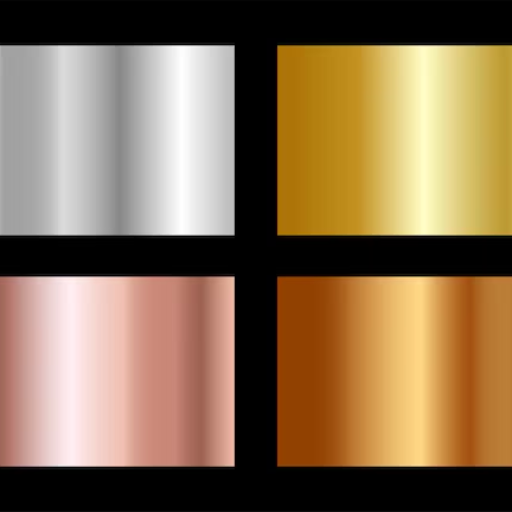
Brass serves as the best material for decorative purposes and low-friction applications while bronze provides excellent durability and corrosion protection and copper serves as the optimal choice for electrical and thermal conductivity needs.
| Material | Best Use | Key Traits | Durability | Conductivity | Corrosion |
|---|---|---|---|---|---|
| Brass | Decorative, Low- friction | Aesthetic, Soft | Moderate | Moderate | Moderate |
| Bronze | Bearings, Marine | Strong, Durable | High | Low | High |
| Copper | Wiring, Plumbing | Conductive, Antimicrobial | Moderate | Very High | Moderate |
The term alloy describes any metal that results from combining copper with different elements. Brass is a copper alloy which contains mainly zinc while bronze exists as a copper-based alloy that uses tin as its primary metal with optional aluminum or silicon or lead elements. The two metals display common differences which stem from their different material compositions because brass contains zinc while bronze uses either tin or aluminum. The two metals show different colors because bronze appears as reddish brown and dull brown whereas brass shows yellow and reddish shades which depend on its copper content. The two metals display different physical properties because brass shows greater hardness and bendability compared to pure copper. Bronze provides better strength and wear resistance than pure copper. The two metals serve different purposes because brass is used to make decorative elements and fittings and sheet metal while bronze is used to make bearings and marine hardware and sculptures.
The various brass alloy grades contain different copper amounts together with other metal elements which create distinct material properties. The strength and ductility of cartridge brass which consists of 70% copper and 30% zinc alloy allows its use for casings. Naval brass contains small amounts of tin for improved corrosion resistance in marine environments. Clock brass provides good machinability and an ability to achieve a high polish which makes it suitable for precision components. The different brass grades contain varying amounts of lead because older brasses used lead for better machining capabilities and the different grades have different melting points because each grade has a distinct melting point which depends on its specific composition and the different grades exhibit different mechanical properties which include their strength and ductility. The selection of a grade depends on your need for either formability or corrosion resistance or machining ability.
The three metals brass bronze and copper show different sheet metal fabrication properties which include their ability to form new shapes and their behavior during cold working and their final appearance after work. The softness and high formability of copper make it easy to shape but its cost exceeds that of brass. The hardness of brass exceeds that of copper which enables excellent shape production through decorative sheet metal applications although some brass types contain lead which makes machining difficult and creates regulatory issues. Bronze (depending on alloy) is less commonly used in thin sheet due to reduced formability but excels where wear resistance or marine performance is required. Select your material according to your required bend radii and your chosen welding technique and your desired final appearance.
Brass grades receive classification based on their zinc and copper content which includes lead as an optional element for better machining capabilities. The material turns reddish-brown when copper content increases while the material shows improved corrosion resistance which comes with a minor strength decrease because of this change. Leaded brasses with small percentages of lead become easier to machine but lead content creates health hazards and regulatory problems for parts that contact potable water or food. The amount of copper in a material determines its properties because higher copper levels enhance electrical conductivity and corrosion protection while higher zinc levels increase material hardness and strength but decrease corrosion resistance.
The selection of copper versus brass versus bronze requires a comparison of six factors which are strength and formability and resistance to corrosion and visual appeal and expense. Copper and oxygen-free copper function as the optimal materials for applications that require maximum electrical and thermal conductivity. For decorative purposes brass serves as the best choice because it allows easy shaping into sheet metal and fittings which display a bright finish through their multiple grades which offer different combinations of strength and machinability. For marine use, bearings, springs or situations needing enhanced wear resistance, consider bronze alloy choices such as naval brass, silicon bronze or phosphor bronze. The decision should include your fabrication methods which include cold working and welding and machining and your regulatory requirements which involve lead content and your available budget because bronze and specialty coppers have higher costs than brass.