

Supportive, Professional, Client-Focused Service
From prototypes to full-scale production, we’ve got you covered.



Due to its incredible properties of being strong, tough and resistant to extreme conditions, stainless steel has been significant in the aerospace sector for quite some time. However, the production and use of aerospace stainless steel components must adhere to very strict standards which are meant to ensure safety, reliability, and performance throughout the whole process. This guide will introduce you to the fundamental requirements of aerospace stainless steel standards, thus giving you a better understanding of how these parts are engineered, fabricated, and evaluated. Whether you are an engineer, a manufacturer, or a professional involved in the aerospace supply chain, this article will provide you with the necessary knowledge to meet the industry’s standards and also be able to take a lead in this continuously evolving field.

The FAA has a mandate to oversee the entire civil aviation sector in the U. S. Not just that, the FAA regulations also cover all risks associated with aircraft and the industry as a whole. The intervention of the FAA happens with an expectation of safe operation throughout the entire area.
📋 Part 25 Compliance: The most important part of the FAA rules is the compliance with Part 25 of the Federal Aviation Regulations (FAR) which lays down the airworthiness standards for transport planes. This includes all sorts of things like safety factors, plane performance, reliability of systems, and less fire risk. Only when the manufacturers meet these standards would the aircraft be approved for use. The same applies to the rigors of inspections and certifications that would ensure the standards adherence during the whole lifecycle of an aircraft.
👨✈️ Personnel Training: The FAA has made a point of stressing the training and licensing of personnel involved in aviation operations. Pilots, mechanics, and air traffic controllers must pass not only licensing tests but also over time maintain qualifications. Audits of airline operation, maintenance, and training establishments are done regularly and they serve as reinforcement of the standards. Thus, the FAA’s goal is to gradually build and maintain public confidence while at the same time guaranteeing that no unsafe aviation activities are carried out.
The European Union Aviation Safety Agency (EASA) has the authority to regulate the aviation sector in the EU and to enforce its rules and regulations in order to promote safety, minimize the environmental impact, and increase air travel’s efficiency within the Union. EASA formulates very detailed rules that cover the entire lifecycle of an aircraft from its design through its manufacturing, operation, and maintenance before finally being retired. The ultimate goal of these regulations is not only to eradicate accidents but also to lower the risks associated with the aviation industry hence, the public’s perception of air travel safety would be comparable to that of ground and sea transport.
EASA standard compliance is a requirement that is compulsory for all EU states and firms that conduct their business in EASA’s territory. These regulations apply to airlines, producers, and maintenance facilities and regularly are updated in order to keep pace with the latest technology and safety practices. EASA is also engaged in assessments and certifications that are aimed at confirming compliance of the aviation processes with the necessary standard criteria.
EASA, in order to keep these high standards, works closely with the national aviation authorities as well as with the international organizations thus creating a synergy of the aviation systems around the globe. One of the main functions of audits and oversight is to spot and deal with any potential problems thus making safety and efficiency even more operational. All these measures taken together make a strong case that air travel within Europe is being conducted under safety and performance standards that are nothing less than the best in the world.
The aerospace sector regulations have an enormous influence on the whole process of aerospace steel, from production and usage to even the development of their steel. The quality of aerospace steel must be very high since it has to bear extreme conditions like high temperatures, pressure, and even stress at times, thus the regulations will guarantee that the steel used in the aviation industry is very safe and high quality. The compliance with these regulations is the key factor in the protection of the airplane’s structure and the bettering of its safety.
⚙️ Manufacturing Requirements: In order to achieve the regulatory compliance manufacturers have to comply with guidelines related to material composition, testing, and performance. Often the guidelines delineate very specific alloy combinations and methods of processing that are intended to enhance the properties of strength, durability, and resistance to fatigue and corrosion to the highest possible level. Getting through the set standards usually entails very strict testing and certification processes which are likely to consume more time than the usual production and incur higher costs but ultimately these processes yield the reliability and safety of the final products.
Moreover, changing regulations often push innovation in the production of aerospace steel. For example, stricter environmental and efficiency standards, on the other hand, are the factors that lead to the production of lighter and more efficient materials that have less negative impact on the environment. In the end, the manufacturers are constantly making investments in advanced technologies and research departments in order to be able to steel production that meets both safety and sustainability goals. Therefore, regulations are not just the barriers that must be overcome but, on the contrary, are the driving forces behind the industry developments.
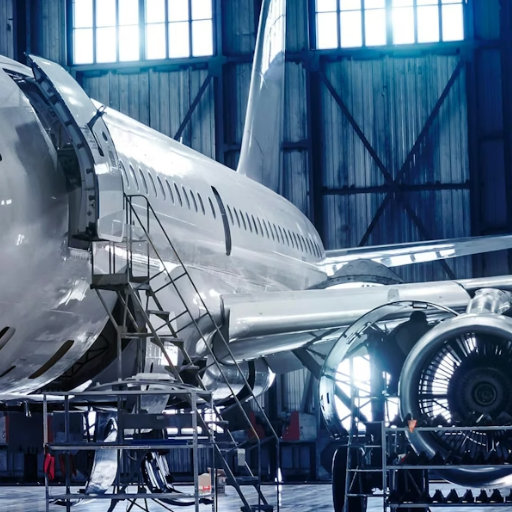
304 stainless steel is a grade that has traces of superior properties in combination with its great mechanical properties. It is an austenitic stainless steel and is highly regarded due to its excellent characteristics like rust and acid resistance, strength, and versatility. The fact that it has a high content of both chromium and nickel gives it the quality of not being oxidized or rusted and hence being able to withstand very hostile environments.
The mechanical properties of the material include very good tensile strength and capability of enduring very high or low temperatures. In fact, 304-grade is widely used in the aerospace industry for making parts like the structure of the aircraft, exhaust systems, and fasteners where durability and reliability of the performance under changing conditions are very important. It also has good welding and forming properties, which can thus help in the manufacturing of complicated aerospace parts.
Another important feature of 304 is that it is a stainless steel grade which is much cheaper than others. It is a combination of performance and cost effectivity that has led to its omnipresence in different sectors. In addition, its cleanliness and resistance to chemical damage make it an even more attractive option in industries other than aerospace, thereby making it a truly versatile material that is an engineer’s delight.
Aerospace-grade stainless steel was 316. It is recommended, especially for aircraft parts that are prone to corrosion by such elements as saltwater. Corrosion resistance is one of the main reasons 316 is chosen over other materials for applications that are exposed to natural erosion factors such as great moisture in the case of marine environments. Thus, it helps the equipment last longer even in the harshest conditions and to perform better over time. Its anti-corrosion properties result in weak points being eliminated and constant reliability plus the retention of the original design throughout the period of usage.
Grade 316 also has superior heat resistance along with the corrosion resistance due to the presence of molybdenum. Thus, besides serving as an insulator, it also keeps materials strong and tough for longer especially at high temperatures which are very common in the aviation industry. Therefore, it helps in safe and efficient operation of the whole aerospace process by using properties of Grade 316 under such conditions.
Apart from these properties, Grade 316 offers its manufacturer the advantages of being very easy to weld and to form which makes it possible for them to design and produce complicated as well as accurate components without any difficulty. The capability of working with different processing techniques allows it to fully satisfy the rigorous requirements of the aerospace industry while being economical at the same time. All in all, Grade 316 is a material which posses the right qualities of durability, strength, and corrosion resistance to be used in the most decisive aerospace applications.
Grade 17-4 PH stainless steel is characterized by extraordinary strength, excellent mechanical properties, and very high resistance to corrosion. These attributes have made the material a prime choice in almost every industry. It is a prime precipitation-hardening martensitic stainless steel that is subjected to heat treatment to enhance its strength and hardness. During this process, Grade 17-4 PH acquires its unique set of characteristics allowing it to cope with even the most extreme conditions where durability and high-quality protection from weathering are indispensable.
✨ Exceptional Properties: One of the major benefits of Grade 17-4 PH is its exceptional resistance to stress corrosion cracking, even when chlorides are present. This feature makes the material suitable for a wide range of applications, including aerospace, chemical processing, and marine environments where it will be continuously subjected to very harsh conditions. In addition, its high tensile strength combined with good ductility implies that Grade 17-4 PH will not lose its shape even under the most extreme mechanical loading.
The versatility of Grade 17-4 PH is further demonstrated by the fact that it can be manufactured using all available processing methods, from machining to welding. The ability of the material to provide outstanding performance while remaining cost-effective has made it the preferred material for turbine blades, valve parts, and other structural components in the industrial and aerospace sectors. Thus, this material presents a very well-balanced solution for complex engineering problems where the demands of durability and performance cannot be undermined.

Stainless steel is a vital metal for the aerospace sector owing to its mechanical attributes, durability and resistance to even the harshest environmental conditions. It is the combination of high temperature resistance along with corrosion resistance that sets stainless steel apart from other aerospace materials. These characteristics ensure that the material not only lives through but also upholds the best standards in the rigorous environments of space and high-altitude flights.
Aerospace applications mainly use stainless steel in the manufacture of aircraft frames and the aircraft parts. The ratio of its strength to weight makes it possible to create lighter structures that are nevertheless very strong, which helps to preserve the efficiency and safety of the aircraft. Also, the metal is employed in the manufacture of aircraft exhausts, fuel tanks, and engine parts, where heat and oxidation resistance are very important.
Moreover, stainless steel finds its way into spacecraft as a material for parts that endure extreme thermal and mechanical stress. Besides, its superior qualities make it the best material for fasteners and mounting systems, which hold the structure together even when there is a lot of pressure. All in all, stainless steel is needed in aerospace for its unbeatable combination of performance, reliability, and endurance in harsh operating environments.
Steel is the material that has always been used to construct aerospace parts before presenting any other alternatives because of its resistance to extreme conditions, strength, and durability. The landing gear has been one of the main areas where the material has been able to demonstrate its strength by sharing the load during takeoff and landing. Being strong, steel can provide the mechanical stress for these components to work reliably over a long time.
Moreover, the use of steel is again detected in the production of fuel tanks and pipelines. These parts are the ones that first need materials that can do away with pressures and temperature changes, thus providing safe storage and transport of fuel. Steel’s outstanding ability to resist rusting, coupled with its power to retain integrity throughout, definitely qualifies it as the best choice for the aforementioned systems.
On top of that, steel is an indispensable metal for the production of screws, bolts, and brackets that strongly connect various parts of an aircraft or spacecraft. These tiny components play a crucial role in maintaining the vehicle’s stability during extreme conditions of vibration or pressure changes, although they are very small. The unmatched characteristics of steel like high strength and reliability are the main reasons why aerospace projects are functional and secure.
Alloy steel is an indispensable material in the aviation sector on account of the great physical and mechanical properties, at the same time, being a good performer in various applications. The phenomenal strength-to-weight ratio is one of the most significant limitations of alloy steel. This property opens wide indeed for its use in making parts of the airplane and spacecraft that not only bear the huge stress but also do not contribute significantly to the overall weight. Actually, alloy steel can be rendered still tougher and more resistant to fatigue if elements like chromium, molybdenum, or nickel are added, thereby, prolonging the service life of the equipment such that it can operate in the toughest conditions.
Moreover, another advantage is the outstanding properties of alloy steel that include the resistance to corrosion and the ability to withstand high and low temperatures. The vehicles in aerospace travel in extreme conditions of temperature and pressure or in the upper atmosphere or in space where conditions are not conducive to the functioning of the material used. Steel parts subjected to these conditions will be able to resist the effects of time which can be the cause of safety and reliability of the aircraft or spacecraft. These properties also lead to a reduced need for maintenance or replacement of parts, which results in savings and efficient operations.
To sum up, it can be said that on the one hand, alloy steel is a material of great diversity when it comes to application as well as manufacture. Besides, its high machinability grants the individualized and accurate production of compound and delicate parts, which are very important in aerospace engineering. Alloy Steel is the prime candidate for turbine blades, landing gear systems, and fuselage courses—the latter, along with its remarkable tensile strength and ability to be shaped, are crucial for the advancement of aerospace innovation as well as to guarantee that the aircraft and spacecraft won’t let down under the toughest of conditions.

NADCAP (National Aerospace and Defense Contractors Accreditation Program) certification is a system that ensures quality control in the aerospace manufacturing processes which is recognized all over the world. The system concentrates on confirming that the suppliers meet very high requirements in the areas which are critical such as welding, heat treatment, coatings, and non-destructive testing. The main aim of the process is to make sure that the whole aerospace supply chain is using consistent high-quality practices and thus the product is safe and reliable.
Getting the NADCAP certification is an elaborate and thorough process that includes an audit by the industry experts. During these audits, the compliance with the specific standards and procedures is checked and it is also guaranteed that the manufacturers have the highest level of precision and quality. The companies have to not only show their technical capability but also their willingness to improve continually and possess strong quality management systems. The accreditation process helps the manufacturers to be in line with the industry expectations and meet the regulator’s demands.
The greatest value of NADCAP certification is that it is accepted everywhere within the aerospace industry. It times gets to be a must for suppliers and subcontractors who are cooperating with the big aerospace firms. Having that certificate improves the company’s status, gives the company a chance to sell its products abroad, and makes sure that the parts used for aerospace are up to the high specifications. The uniformity brought about by the certification is what eventually aided in the safety, performance, and triumph of the aerospace innovations worldwide.
In the aerospace industry, the role of AS9100 in the quality assurance process cannot be overemphasized. It provides a common framework that delineates the minimum requirements for quality management systems and thus, is a major player in the quality assurance process throughout the industry. This certificate is of the utmost importance to the aerospace manufacturers, suppliers, and subcontractors, in that it guarantees their products and services will comply with the toughest safety and performance norms. Through the application of AS9100 standards, the companies concerned indicate their respect for the requirements of the industry and thus their readiness to provide consistent and high-quality results.
⚡ Operational Efficiency: One of the main factors that confer the significance of AS9100 in the quality assurance area is the enhancement of operation efficiency and the reduction of risks which is its main role at quality assurance. The certification dictates that the organizations should have in place processes that can hardly be beaten in terms of error rates, production speed, and supply chain management efficiency. The former will then lead to the flow of components and systems that are quite reliable and safe in the aerospace sector, even in the case of a failure of performance that might have dire consequences.
🌍 Global Competitive Edge: Another point is that AS9100 gives global certified companies a competitive edge. Adhering to this international standard not only reassures the customers and regulators but also makes it easier to get the collaboration of the big aerospace players which have operations worldwide. Besides, it helps the company to establish its capability as trustworthy, encourages creativity, and thus can provide a long-term-growth scenario in the highly regulated sector of aerospace. The firms that are committed to AS9100 are, thereby, helping in the global distribution of the safety, innovativeness, and performance of the aerospace technology.
Quality control is the primary measure of component reliability in the aerospace industry. Quality control implements rigorous inspection and testing methods, which guarantee that each part complies with the highly regulated industry’s severe safety and performance standards. This procedure not only reduces the failure risk but also improves the safety of operations and increases the credibility of aerospace systems’ integrity.
A robust quality control process comprises complete inspections during manufacturing, following standards like AS9100 and a continuous testing program that discovers defects or inconsistencies. This proactive approach helps to spot problems earlier, hence minimizing the risks associated with very expensive repairs or unforeseen failures in the field. The patience and accuracy associated with production are the reasons that components are able to perform as they should under the different conditions, thus not only maintaining but also extending safety and performance over time.
Furthermore, quality control contributes to the development of new and better products through the evaluation of feedback from tests and operations. This feedback loop enables manufacturers to make gradual changes in their processes, materials, and designs to tackle potential weaknesses. By making quality the priority through the entire production cycle, the aerospace sector not only retains its commitment to safety and reliability but also to innovation in a demanding and critical field.
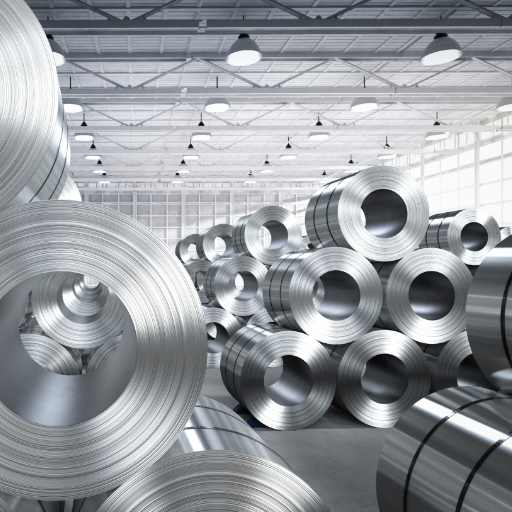
Safety and reliability of aerospace steel are the pillars that support the whole flight and space operation of aircraft and spacecraft without any flaws. The aerospace steel is designed exceptionally to withstand the brutal conditions of high temperatures, immense pressures, and variable atmospheric pressure, among others. Its high intrinsic strength and longevity are essential for the reason that a defect in the material, however minute, may cause a disastrous outcome in the air. The steel must be given rigorous scrutiny and testing and be certified then, that it is go to perform as required in every situation in the operational world, as per the standards laid down by the relevant authorities.
The production of aerospace steel involves strict control of quality and compliance with the industry’s highest standards, including the ones set by institutions such as ASTM and ISO. The standards define the essential properties of aerospace materials in terms of composition, practices, and testing protocols, thus providing comprehensive guidance to the manufacturers. The safety-critical areas are backed up by certifications that regular inspections lead to and every batch is thereby guaranteed to meet the exact requirements for the concerned areas of application. This uniformity not only fosters reliability but also lowers the likelihood of failure occurring unexpectedly.
Moreover, a major aspect of maximizing the performance of aerospace steel is the advancement of material science. The discovery of implants such as corrosion-resistant alloys and light-weight yet high-strength compositions is enabling us to extend the limits of the aerospace vehicles even more. The studies related to these materials not only provide safer and more trustworthy aviation but also become a major factor in the development of cleaner and more cost-effective aviation solutions. The aerospace industry has always been proactive in adhering to the strictest standards and in doing so has also been able to keep its dual commitment to safety and innovation.
The unique properties of stainless steel such as corrosion resistance, durability, and strength under extreme conditions will ensure that it definitely continues playing a big part in the future of aerospace advancements. One of the trends that will dominate the development of aerospace stainless steel is the production of lighter high-performance alloys that are in a position to maintain their structural integrity while actually reducing the overall weight of the material. This is of utmost importance since the industry is increasingly concentrating on fuel efficiency and carbon footprint reduction, which happen to be the main goals of modern aerospace design.
On the other hand, another trend that is equally important is the adoption of high-tech manufacturing techniques like additive manufacturing (3D printing) for making stainless steel parts. The use of these methods grants the manufacturers the ability of designing with more freedom, lessening the amount of material that gets wasted, and the timely and economical production of the very intricate parts. Moreover, the technology of additive manufacturing also makes getting the prototypes and the development of the innovative stainless steel designs that the aerospace industry needs to be much quicker, thereby speeding up the whole process of aerospace innovation.
In summary, it can be said that one main trend is responsible for the increased attention given to the recycling and the environmental-friendliness of the stainless steel materials utilized in the aerospace sector. The companies that are engaged in this research area are searching for solutions to prolong the life of these materials and to apply eco-friendly production techniques. This trend aligns with the worldwide campaigns aspiring to make aviation environmentally friendly, even under highly stringent environmental requirements. Overall, these advancements are demonstrating that stainless steel is a material that not only plays a crucial role but also continually transforms in the technology transfer from aerospace to other industries and vice versa.
A: Aerospace stainless means the employment of stainless steel materials in the production process especially for aerial vessels; these materials are the best mixture of lightness and strength, excellent resistance to corrosion, and the evenness in maintaining their mechanical properties during heating and other stresses, hence getting the approval from most of the aerospace manufacturers and being used for plane’s internal structure parts.
A: The three main grades of stainless steels that find applications in the aerospace sector are 15-5 PH stainless, the type 304, and high-performance alloys like 310 which can withstand high temperatures; the selection of aerospace grade stainless steel is made based on the mix of the factors like yield strength, ultimate tensile strength, corrosion resistance, and the ease of fabrication of the critical components.
A: 15-5 PH stainless is a stainless steel alloy that undergoes precipitation hardening and can also gain additional hardness by incorporation of ultra-high yield strength precursors. The alloy has good properties such as corrosion resistance, very high strength-to-weight ratio, and durability. So, it is the main contender for making airframes, landing gear, and other structural parts where safety and cost-effective lifespan are the main factors to consider.
A: Certain alloys, 310 for instance, are made to withstand high temperatures, as well as being resistant to oxidation at high temperatures; the metal used in the aerospace sector retains its strength while being immune to corrosion, hence the use of such materials in places like engines, exhausts, and any other hot parts.
A: The answer is yes; many aerospace stainless steels are either corrosion resistant or have good strength that can resist corrosion; they are also very strong. 304 stainless steel, a widely user material, is comparable in its resistance to corrosion to the majority of applications whereas specialty alloys that can withstand marine or chemical exposure in aircraft operations offer even better protection.
A: Stainless steel is the material of choice in airplanes for many parts such as landing gear, airframe, aircraft structure fasteners and so on along with many other critical applications where the combination of high strength, durability and corrosion resistance is a must; the decision between the various options is made according to the specified ultimate tensile strength, yield strength, and fabrication needs.
A: The selection of either steel alloys or stainless alloys entails advantages and disadvantages: certain steel alloys exhibit high strength but their use may require protective coatings, conversely, the aerospace-grade stainless steel provides far superior properties related to strength-to-weight, corrosion resistance, and ease of fabrication. In the case of critical components needing high strength-to-weight, the manufacturers pick the alloys that are safety-first based for long-lasting and low life-cycle costs in the aerospace market.
A: Yes, many aerospace manufacturers and retailers have a steel inventory that is included alongside numerous materials like 15-5 PH stainless, type 304, 310 and other high-performance stainless alloys which are categorized for structural applications, high-temperature requirements and corrosive environments thus allowing the engineers to designate the right grades for the vital parts that will guarantee performance and longevity.