

Supportive, Professional, Client-Focused Service
From prototypes to full-scale production, we’ve got you covered.


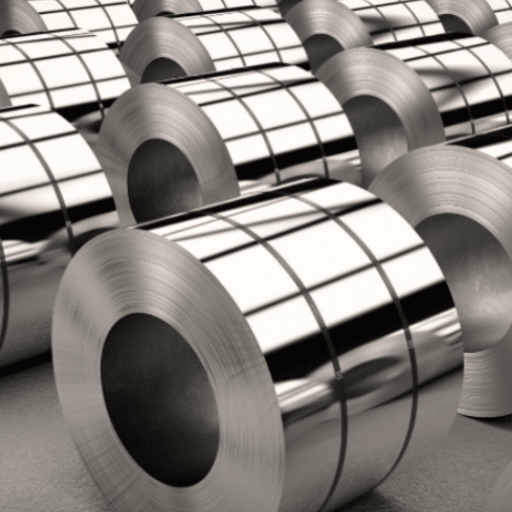
When steel is mentioned, it is not the case that all steel is made the same. Two hugely employed categories offer a full spectrum of applications: austenitic and martensitic stainless steels, each of which with well-defined properties. For the industry of construction and manufacturing, to those medical devices and aerospace engineering, it is paramount to recognize the dissimilarities in these stainless steels. This article will delve into the needed characteristics of austenitic and martensitic stainless steels, showing their compositions, mechanical properties, and the best matching use cases. This guide has managed to provide clarity to help you make the right choice for your next project, or whether you are just curious about the alloys.
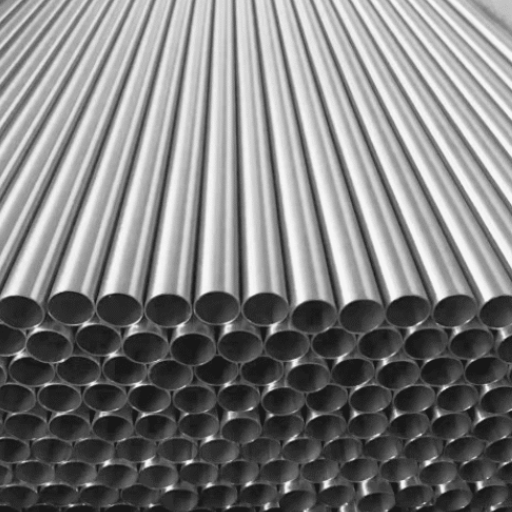
Stainless steel is a steel alloy impervious to corrosion and rust, properties established with the addition of chromium. By SS umbrella, chromium contains approximately 10.5% or more when it is fully oxidized with air to form an oxide layer on its surface, very fine and resilient. This oxide layer, besides making the surface stainless, improves durability as well as gives a unique luster quality to stainless steel.
Other elements, like nickel, molybdenum, and nitrogen, for example, are interstitial impurities added for specific properties needed, such as toughness, strength, or corrosion resistance and act to potentiate the attributes of chromium with stainless steel composition. Different mixtures of these elements will create grades of stainless steel that are introduced in the construction trade, medical devices, and the food generation departments to allow them to carry out varied life works concerning durability, unlike unalloyed steel.
Stainless steel is a varied and widely used material. One of the reasons why it has gained fame is the durability that sustains for many years and fares far better than a lot of materials, coupled with aesthetic appeal, low maintenance, and long working life. Stainless steel now finds applications ranging from producing kitchen utensils to industrial machinery all across the world-a fact that goes to establish its role as the most durable green product engineered for green applications.
By virtue of its compositional and performance properties, stainless steel is divided into four main categories: austenitic, ferritic, martensitic, and duplex-grade stainless; each of these four affords its aggregate properties for particular utilization in various industries.
304 Stainless Steel:Type 304 is highly beneficial for its corrosion resistance as compared to workability. An alloy with ca 18% chromium and ca 8% nickel, it is indispensable for kitchen appliances, food processing, facades, etc., in many other usage applications. The strength, weldability, economic feasibility, are the advantages that drive its use in broad industries.
316 Stainless Steel:A marine stainless steel type, known for the superior corrosion resistance to chloride solutions, is perfect for applications like seawater or chemical processing. Molybdenum is included to make it more resistant to pitting and crevice corrosion. Applications? Marine parts and fittings, chemical equipment, and medical implants.
430 Stainless Steel:Its nice corrosion resistance and pretty finish makes this ferritic stainless steel famous. It is widely used for decoration, auto trimming, and household appliances. Ferritic grades of steel have less strength than austenitic grades like 304, for persistence concerning cost; however, they get their good place in low-stress uses.

Austenitic stainless steel is, by and large, comprised basically of iron, Cr, and nickel. This type of steel usually contains about 16-26% chromium and 6-22% nickel. Very high levels of chromium and nickel are added to such steel to render it resistant to corrosion, which improves its mechanical properties as well. Other possible elements might be added to austenitic stainless steel, such as manganese, nitrogen, or molybdenum to improve some other of its properties, like molybdenum that would add wear strength, and different types of corrosion-resistant grade to resist pitting or crevice corrosion.
The bane of chromium provides for the obstruction of forms of protection on the surface of the steel that its own oxide layer is effective against environmental conditions, due to which the latter is highly resilient to rust and corrosion-even in the harshest conditions. To increase its impact value and ductility, nickel is added to the material and, thus, prevent change in properties over a broader temperature range. Sometimes, nitrogen is added to boost the strengths further. The ornate choice. Sometimes molybdenum being added to improve in resistance against chloride-induced corrosion.
For its fantastic flexibility and great performance, austenitic stainless steel is widely used in industries such as food processing, construction, healthcare, chemical processing, etc. These characteristics lead to the long life of the steel, whether structural or aesthetic, serving the functionality in harsh operating environments.
This austenitic stainless steel has a characteristic microstructure that consists predominantly of its face-centered cubic (FCC) crystal lattice. This is achieved by a combination of elements such as nickel and nitrogen. That stabilize the austenitic phase, even at room temperature. The FCC structure imparts a distinctive high toughness and ductility to the alloy, and the material can sustain extensive strains without failure.
One of the most important properties regarding the austenitic stainless steel concerns exceptional corrosion resistance. The presence of chromium with the formation of a passive oxide layer is responsible for surface protection against oxidation and degradation. Moreover, specific environments containing chlorides or acidic substances are further enhanced by the presence of molybdenum in the alloy, appealing for certain harsh environments, such as marine or industrial settings.
On the other hand, they are non-magnetic which distinguishes them from other types of stainless steel and therefore makes them suitable for certain electric or electronic applications. They exhibit a high degree of formability and weldability, making these easy to use in complex manufacturing activities. This unification of requirements make austenitic stainless steels virtually omnipotent when needing performance, workability, and safety.
The term given to this type of stainless steel, its excellent resistance to corrosion is no doubt one of its best features, which mainly comes from its combination of high nickel and chromium content. These two elements create an oxide layer on the surface, thereby resisting the action of oxidizing agents in the environment-the presence of such agents in chlorides such as seawater, industrial plants, and the food-processing industry provides additional protection against corrosion. Exploiting this sort of innate resistance greatly lessens the very likelihood of rusting and tarnishing even when present under rigid circumstances.
Applications of austenitic stainless steel are numerous in industries due to their durability and resistance to corrosion. They are used in food processing plants to prepare sanitized equipment and good grade utensils that ensure optimal hygiene and prevent the spread of bacteria. In the medical industry, the same could be utilized for surgical tools and implants, due to the fact that they remain biocompatible and do well under bodily fluid assault. Its significance in construction and architecture remains, particularly in a scenario where weathering is required in perpetuity and the materials are exposed to extremely changing weather conditions, respectively.
Austenitic stainless steel is widely employed in the chemical and energy industries. This is a material that has demonstrated its worth by sustained exposure to corrosive chemicals and high temperatures; thus, it is vital for the manufacture of equipment, piping, or heat exchanger materials. This adaptability, coupled with strength, formability, the tarnish, and corrosion, makes austenitic stainless steel a highly reliable choice for intense environments.

Trade martensitic stainless steel is mainly composed of iron, chromium, and carbon. The alloy typically has about 11.5% to 18% chromium content, which adds to the material’s corrosion resistance. Carbon content is rather high relative to the other stainless steels, generally ranging from 0.1% to 1.2%, permitting heat treatment to achieve high hardness. Further, smaller amounts of other alloying elements such as molybdenum, nickel, or vanadium have been mentioned to enhance specific properties.
Martensitic stainless steel having a high carbon content shows exceptional strength / hardness / wear resistance. Thus, it is less corrosion-resistant than other stainless steels, so it becomes a preferable material where high mechanical properties are necessary with respect to the atmosphere that is as corrosive as possible. The correct heat treatment procedures like quenching and are vital in the process of obtaining these desired properties.
A good chemical composition of martensitic stainless steel makes it the most widely used material for “toughness,” “strength,” and “limited corrosion resistance” applications. It is used considerably in various applications such as tools, surgical instruments, turbine blades, and other high-stress components. Knowledge about its chemical elements helps to use it effectively in various industries.
Martensitic stainless steel is dominated by martensite microstructure, which is formed during heat treatment as well as is a hard and brittle phase that forms due to rapid cooling. This microstructure is responsible for their superior strength and toughness. Martensite structure may be tempered to further enhance ductility and lessen brittleness. The carbon and chromium alloy element ratios may be controlled to impart the desired properties. Carbon makes a direct contribution to hardening, while chromium provides corrosion resistance.
Martensitic stainless steel is highly versatile because it comes with an adequate mix of mechanical strength and reasonable corrosion resistance, which is suitable for heavy loads. The toughness enables this material to resist large loads, and the ability of this material to tolerate harsh chemical conditions also adds to its toughness. Yet still, the hardness and toughness could be elaborately adjusted, based upon a choice of temper processes, for various steel forms, therefore enhancing its versatility in application across all industries.
It is these special qualities that make martensitic stainless steel useful in a lot of demanding applications. Martensitic stainless steel is used in the manufacturing of cutting tools, surgical instruments, and turbine parts, where strength and reliability are essential. And the ability of this material to be treated by heat has made the establishment of quality control a big call. This material is used widely in the industry for engineering purposes.
Martensitic stainless steel has a relatively moderate level of resistance against corrosion due to its lower chromium content compared to other stainless steel grades. Nevertheless, under proper circumstances where the surface treatment is done and environmental conditions are maintained, corrosion resistance may be significantly increased. Although it may not be as corrosion-resistant as austenitic stainless steel under a highly corrosive attack from the environment, martensitic steel can be used in applications running the line between strength and some thickness of corrosion resistance.
Typically, these steels are used where moisture and mild corrosives sometimes exist but where fatigue strength is of prime importance. It is by far one of the perfect steel selections for surgeries as it wears little and hence is very robust- even when going through sterilization processes. In addition, it is highly recommended nowadays by industries that use them in such applications as turbine blades and mechanical parts which will endure such high stresses without failing to behave in the required manner.
Its chemical composition provides resistance to suit almost all light corrosion; however, a careful choice of material, surface treatment or aging could widen its usefulness even more in slightly abrupt environments. Maintenance aspects, such as periodic cleaning rather than prolonged exposure to harsh chemicals, make the materials last. Strength and resistance to corrosion are two very attractive features that high-carbon steel offers deeply, making martensitic stainless steel appropriate for broad uses and applications with a high element of specialization.

One of the main advantages of austenitic stainless steel is its proven exceptional resistance to corrosion due to the high amounts of chromium and nickel contained in it. This material type comes into its own when faced with exposure to moisture, chemical spills, or high humidity. Thus, it is frequently used in industries such as food and beverages, pharmaceuticals, and marine applications where the operating environment can be quite corrosive.
Another advantage to be highlighted is its impeccable formability and weldability. Simple shaping, bending, and welding can render austenitic stainless steel a really suitable material for complicated designing and manufacturing. Its nonmagnetic state and excellent surface finish are the other contributors to its popularity in decorative and functional applications.
Austenitic chromium-manganese austenitic stainless steel has anomalous mechanical properties, manifested into high toughness and strength up to extremely high temperatures. This makes it suitable for adverse environments, including cryogenic and high-temperature settings. Its combination of strength and flexibility ensures the continued demand for its services in numerous fields.
Martensitic stainless steel is prized for its exceptional hardness and strength, which is attributed to its peculiar microstructure developed after heat treatment. It is therefore good for uses where mechanical strength and hardness are required, such as; cutting tools, knives, and other mechanical components. It is mechanical hardening that ensures proper performance even when used in demanding stress conditions.
Another good feature of martensitic stainless steel is average corrosion resistance-second only to austenitic grades. It generally performs well when used in places where high contact with moisture or some chemicals can be expected. Since it can resist abrasion, it is best used in situations demanding an integrity of surface, regardless of conditions or circumstances.
Whilst on the opposite corner, despite lacking corrosion resistance in the manner of 300 series grades, the 400 series does offer a really good machinability and formability. That manufacturing ease adds to the versatility of the martensitic stainless steel for further exploration in various industries, which are the likes of medical, automotive, and aerospace, to name only a few. Property enhancements through heat treatments make the material more application specific; it can be subjected to a wide range of heat treatments to achieve optimum properties in terms of strength, toughness, and corrosion resistant to meet a specific balance.
While it is true that stainless steel has a countless number of advantages, each type sets down certain limitations that might make a particular application unsuitable. The foremost disadvantage of martensitic stainless steel has been low corrosion resistance compared to austenitic or ferritic stainless steels. The reason behind this limitation is that the presence of a higher carbon content in it enhances the steel’s hardness at the expense of its chromium’s corrosion-preventive properties. Hence, martensitic stainless steel should not be used in environments with high humidity and chemical exposure.
The ferritic stainless steel is, on the other hand, less tough and not robust, especially at very low temperatures where it can even become brittle. Its weldability and formability are more restricted, hence impaired for application in complex structures; then ferritic steel stands more susceptible to grain growth during heat treatment, which can result in deterioration of mechanical properties.
Austenitic stainless steel is like martensitic stainless steel as far as good corrosion resistance is concerned, and what makes them costlier still, is their high nickel content. In relatively corrosive environments containing chlorides, the material can subsequently be susceptible to stress corrosion cracking. Also, the lower hardness of the austenitic forms in comparison to the martensitic forms could be trouble in applications where wear resistance is important. Overcoming such limitations is usually difficult and entails careful material selection and sometimes the application of protective coverings or treatments for enhanced performance.
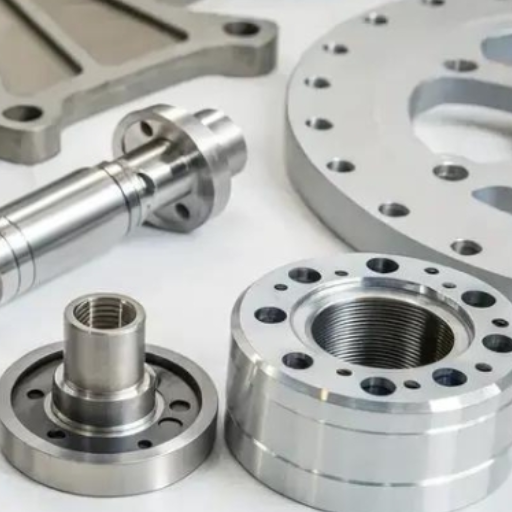
When you make the choice of stainless steel you must consider the kind of application and way this material behaves under its specific circumstances. The primary considerations are corrosion protection, mechanical properties, and price. You can assume that corrosion resistance will be the highest priority when stainless steel is used in any environment with exposure to moisture, chemicals, or extremes in temperature. The resistance to corrosion will vary among various grades of stainless steel–austenitic steel is the most corrosion resistant.
Mechanical properties which are also to be considered include strength, hardness, and ductility. High loads or wear or heavy impact need a high-strength stainless steel or a particular heat treatment. On the other hand, in applications requiring bendability or forming, a greater ductility grade might be instead preferred. Balancing these factors will lead to proper performance without premature failure.
Moreover, yet, the expense is a great point of contention. Indeed, although an outstanding enhancement in strength and use is the effect of a high-quality category of stainless steel, the cost of purchasing it is typically much higher. Striking a balance between initial acquisition cost and long-term service would actually guarantee one gets maximum utility out of the materials provided herein. This very decision would be formed by perception of one’s working environment, maintenance needs, and the material life expectancy.
Austenitic stainless steel finds its use in applications demanding corrosion resistance and durability. In simple words, its first fostered resistance to oxidation and acids makes it ideal for use in food processing equipment, chemical industries, and medical instruments. In addition, its non-magnetic nature and high formability make it greatly useful in industrial kitchen, architecture, and automotive exhaust systems.
Martensitic stainless steel, on its facet, is distinguished by its toughness and strength. It is commonly utilized in applications where wear resistance and toughness are necessary, such as for knives, operations with surgical instruments, and an array of different cutting tools. Even more, where its ability to withstand it proves to be beneficial, martensitic steel becomes preferable for still other engineering components such as shafts, valves, and bearings. The significant difference that occurs when these two types of stainless steel are compared is represented by the magnetic properties or lack thereof. In this regard, martensitic steel would indeed be magnetic and could hence be efficiently used in a particular technical application.
Either of one, they have particular properties fit for specific industrial and commercial requirements. Austenitic steel is made for environments where corrosion at high temperatures can occur, martensitic steel, for example, excels in applications that require strength and engineering-type structures. The right choice of steel type will depend on operating conditions, desired functionalities, and intended lifespan of the material.
Recognition of Material Properties:If you are having second thoughts on what type of steel to use, the overall knowledge on how the materials will perform in the application is paramount. Strength, ductility, corrosion resistance, and thermal conductivity are examples of properties which you want to investigate. The matching of these properties in relation to the actual conditions and necessities are critical to guarantee performance and reliability for the long haul.
Environmental Conditions:Analyze the environment under which the material will be used, as the operating environment may be harsh. On the set parameters, elevated environmental temperatures, other factors such as occasional liquid hazards with respect to chemicals, and exposure to wet saltwater must guide you on the way of the decision of using some ordered form of stainless steel for ultimate corrosion resistance or some martensitic steel for upping the strength. In assessing the design criteria, temperature cycling, mechanical loads plus sun, and salt spray exposure need to be considered.
Costs and Maintenance:Even when there are variations in the first costs of various steel types, the long-term maintenance requirements are equally important to consider. Therefore, choosing a material based solely on low initial cost may lead to frequent replacements and repetitive repairs-ultimately making the whole process much costlier. Therefore, materials that combine a lower cost of acquisition with a long life span through minimal maintenance need to be chosen to create a product whose life cycle is optimized.
Through consideration of the above, engineers and designers will be better equipped to make informed decisions concerning which steel to select for their applications. Such rationalization concerning the choice of materials ina construction project will have benefits in functionality and safety but shall also contribute towards cost effectiveness.
A: Austenitic stainless steels have no magnetic field, a property which permits good resistance to corrosion and greater formability when compared with harder, more brittle martensitic grades of stainless steels. It is the chemistry that determines if it is an austenitic or a martenitic structure; furthermore, it determines the alloy composition. Strength is what distinguishes the austenitic stainless steel, and so is hardness; however, the martensitic grades exhibit high strength but low resisting properties.
A: There are five families of stainless steels–austenitic, ferritic, martensitic, duplex (including super duplex stainless steels), and precipitation-hardening stainless steels belong to the same group of stainless steels that are identified by the composition and microstructure of the stainless-steel material. Many grades of stainless steel are given by the American Iron and Steel Institute and other standards within the various series of stainless steels.
A: Common stainless steel classifications encompass 304 stainless steel (among the more common types and commonly applied stainless steel for food and kitchen applications), 316 stainless steel (grade 316, a type of stainless steel that is preferred for higher corrosion resistance of stainless steel in marine environments), 430 stainless steel (a less expensive ferritic stainless steel grade applied wherein magnetism is acceptable), and type 2507 stainless steel, duplex stainless steel grades, for their considerable strength and corrosion resistance.
A: Precipitation hardening stainless steels (or simply precipitation hardening stainless steels) are a group of stainless steels that gain their excellent strength from heat treatments forming precipitated alloying phases. Apart from possessing the anti-corrosion nature of stainless, grades offer high strength and are extensively used in aerospace, medical, and high-performance applications wherein weight and strength are essential.
A: Duplex grades present a dual-phase nature, entailing higher strength than austenitic carbon and austenitic stainless steels and enhanced corrosion resistance compared to many ferritic or martensitic grades. They are chosen for their higher combination of stretch and high heat resistance and chemical, corrosion and acid-resistant capacity. Herein lies the haunting 2507 grade of duplex stainless steel which again adds one thing: it bridges the gap left by austenitic and ferritic stainless steels and is generally used in lieu of carbon steel anywhere high corrosion control is a must.
A: The magnetic property of stainless steel grades varies according to the structure: ferritic, and martensitic grades will always have a pure magnetism, while austenitic grades are primarily non-magnetic except under cold pressing (metastable phase). This will affect selecting which stainless steel will be used for use in applications where magnetism needed or is not wanted. For instance, 430 stainless steel is magnetic, whereas 304 stainless steel is regarded as non-magnetic.
A: If you are thinking of selecting this type of the steel, you shall know that the choice of the stainless steel would rely on the desired qualities of the stainless steel and the mechanical requirements: 304 stainless steel is, as is known, popular for its general resistance to corrosion and high formability; in case a saturated chloride environment needs to be tested, 316 stainless steel shall be a good choice (duplex grades would also be a good selection if greater corrosion resistance is a must); for strength, think of the martensitic grades or the precipitation-hardening stainless; and think in terms of superduplex or special high-alloy grades if the environment is very hostile. Ultimately, consider the chemical composition as well as the finishing of the surface of the stainless steel and stainless steel grade to meet the requirements of performance.