

Supportive, Professional, Client-Focused Service
From prototypes to full-scale production, we’ve got you covered.



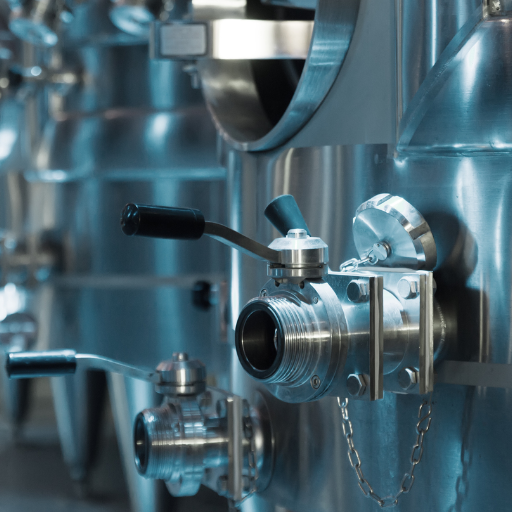
Food-grade stainless steel denotes certain grades of stainless steel that can be used in food production and processing. The material is specially formulated to meet the highest safety and hygiene standards thus, the risk of contamination is minimal. The most frequently used grades in the food industry are 304 and 316 stainless steel which have the properties of being long-lasting, having good resistance to corrosion and easy to clean. These qualities make them the best-suited materials for food and beverage handling in diverse applications which range from manufacturing equipment to storage containers.
The main reason why food-grade stainless steel is so important is that it helps to keep food clean and safe during its production. Its surface that is non-porous does not allow the gathering of bacteria and other microorganisms thus reducing the chance of contamination. Also, the steel can withstand the damage of chemicals and acids present in some foods and will, therefore, not degrade or react with the substances that it is in contact with. This long-lasting material ensures to use it for a very long time without the material losing its integrity making it both cost-effective and trustworthy.
Moreover, food-grade stainless steel paves the way for sustainability and efficiency in the food sector. It is long-lasting, requires little maintenance and is eco-friendly as it is completely recyclable. In adopting this material, not only do manufacturers meet health standards but also improve the overall quality and safety of the products. Thus, food-grade stainless steel occupies the leading position in the chain of modern food systems that are both safe and sustainable by raising the bar on health regulations compliance.
The food-grade stainless steel gets classified in the form of two types, 304 and 316, which are the most widely-used and recognized metals that have different properties, providing each a specific application. Stainless steel 304 is among the most used in the food sector for its great corrosion resistance, cheapness, and simple cleaning. The alloy is made up of 18% chromium and 8% nickel that boosts its strength and protects against food acids and most of the environmental factors, thus making it suitable for cookware, utensils, and food processing equipment in general.
In contrast, type 316 stainless steel has raised the level of protection against corrosion particularly in the harsh salt and acid situations due to the nickel content being higher plus the 2-3% addition of molybdenum in the alloy. Thus, it could be deemed more appropriate for the dealing of salty or highly acidic food stuff and drinks or for the installation in marine—i.e., close to the ocean where salt is an issue—or in industrial, i.e., corrosive areas like the chemical industry settings, where good work and thus superior durability are the most desired. It is the one that gets picked for the production of items related to pharmaceuticals, dairies, or breweries, as the mini metalurgical standards are high.
The choice of type 304 or 316 usually hinges on factors like the application needs concerning exposure to corrosive agents and environmental states. In the majority of food-grade applications, the type 304 is both sufficient and cost-efficient. However, in the case of demanding environments that require very high corrosion resistance or very long durability, type 316 becomes the standard choice despite the fact that it comes with a price of higher cost.
The food industry is one of the main areas where stainless steel is used extensively and its types 304 and 316 have gained popularity because of their properties of durability, hygiene, and resistance to corrosion. These aspects make it an indispensable material for food processing, preparation, storage, and equipment. The safety of the finished product and the compliance with health regulations are assured by the use of steel of this kind. Its shiny, non-absorbent surface does not allow bacteria to thrive and is easy to clean which is the most important practice in the support of sanitation.
Stainless steel type 304 finds application in the manufacturing of countertops, sinks, utensils, and storage containers, among others. Its low costs and satisfactory resistance to rusting make it a reasonable choice for usual usage areas in which there is not considerable exposure to highly corrosive substance. It is suitable for the most basic needs in terms of hygiene, and durability in many food-handling settings.
For the very demanding environments, such as the ones with acidic or salty foods, type 316 is usually the one that is chosen. It is not only the chemicals and salty situations that cause the corrosion but also the nature of the food that leads to the decay of the parts. Thus the manufacturers include this quality to be the main attribute for in making industrial mixers, tanks, and piping systems. This added power, along with the other attributes, guarantees that it will be around for the long term even in tough conditions so that it will always be a dependable choice for the most critical applications in the food sector.
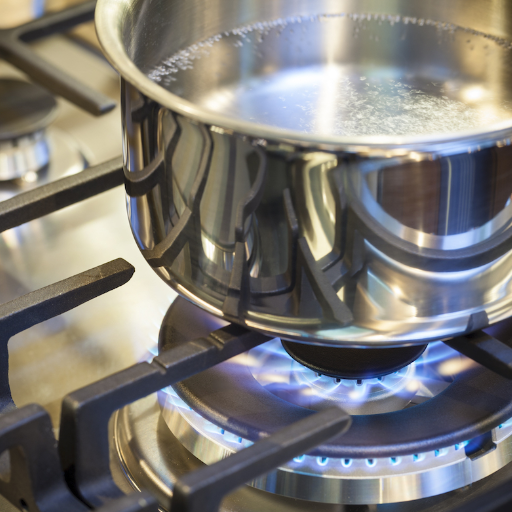
To produce food grade stainless steel parts, among others, that are assured to be strong, safe, and hygienic, the whole procedure conforms to industry standards. The first step is selecting the material, and during that, high-quality stainless steel is picked for its non-reactive and corrosion-resistant properties, thus making it suitable for food contact. Common grades like 304 and 316 stainless steel, with their properties, are often chosen to meet the strictest food safety regulations.
After that, the manufacturing stages have processes such as cutting, shaping, and welding. The cutting and machining of the material are done by laser and precision machines respectively; this is to ensure that the designs are made accurately and the welding techniques like TIG (Tungsten Inert Gas) are used to keep the surface smooth and sterile. After this, the polishing is done where the parts are cleaned to the highest standard and thus are able to pass the hygiene check since a rough surface can sometimes be a breeding ground for bacteria.
Lastly, the parts are subjected to extensive testing and finishing steps that ascertain the compliance with food industry standards. Tests checking for structural strength, surface smoothness, and corrosion resistance are performed to assure that the parts can be used in the most critical applications without the risk of failure. The whole process guarantees that food grade stainless steel parts can be utilized in places where safety and quality are the main concerns.
In manufacturing industries particularly in food processing where parts for critical applications are produced, precision and quality control are absolutely necessary. The application of accurate measurement and meticulous inspection is the very basis of the idea that the components can be considered to meet the high industry standards. By such practices, one can encounter the least possible errors, keep the production flow consistent, and produce goods that not only have high safety and quality standards but also meet the requirements set by the industry.
In the production processes, the use of sophisticated technologies is very common, such as fully automated systems and laser measurement tools for ensuring precise dimensions and perfect surface finishes. Moreover, expert technicians monitor the whole process to spot and fix any defects that might occur, thus guaranteeing that every part meets the specifications. The harmonious coexistence of technology and skill means reliability of results even in different production settings.
Quality control is also about the observance of international standards and certifications, such as ISO, which are widely recognized and help to build credibility and trust. A large number of tests performed over the course of the production stages will ascertain the product’s strength, its cleanliness, and its compliance with the safety standards. Manufacturers, by focusing on precision and observing very strict quality procedures, are able to market their products that will be utilized in areas that require high efficiency and reliability.

The manufacturing process of food-grade stainless steel has recently been focused on efficiency, sustainability, and precision enhancement. The production process is now fully automated with the use of robotics and artificial intelligence (AI) technology to support the elimination of human errors and the acceleration of the production cycle. These techs make the production very consistent and of high quality, thus the stainless steel items can be easily regarded as safe and hygienic for the food industry.
Moreover, the rethinking of the whole process of production has led to a revolution in the way manufacturing is done and especially in the food-grade stainless steel industry. The project meant to reduce energy consumption, as well as, waste has ushered in the use of energy-efficient machines and recycling schemes. For instance, the shift in the technology of heat treatment and surface finishing not only gives stainless steel the longevity and the ability to resist corrosion, but also, it has the added advantage of reduced carbon production during its manufacturing.
On top of that, improved alloy designs play a significant role in the optimization of food-grade stainless steel for particular uses and applications. By adjusting the chemical composition of stainless steel, producers are able to manufacture goods that possess better resistance to corrosion, and bacteria, as well as, being more durable. This is a grant not only to the evolution of the food industry in terms of the demand for materials but also to the maintenance of health and safety laws. With these technological advancements, the sector keeps on being a high-quality and innovative one.
The increasing need for sustainable and safe materials has greatly influenced the production of food-grade stainless steel components. Manufacturers are modifying their whole production process to make their main goal the implementation of eco-friendly practices like waste reduction and energy-efficient operations. Such transformations are consistent with worldwide campaigns to lessen the environmental burden while still satisfying the regulatory requirements of the food sector.
Moreover, technological progress has been very influential in transforming the production techniques. The use of robotics and precision machining makes it possible to realize the flawless production of stainless steel parts that are not only conforming to the strict hygiene and safety regulations but also being produced in a very fast manner. This technological intervention results in a win-win scenario whereby the manufacturers’ productivity is significantly improved and at the same time their costs are reduced, which makes them competitive in the market.
Additionally, the demand for safer foods by consumers has encouraged the producers to look for more innovative solutions. For instance, the production of stainless-steel parts that not only protect the food from contamination but also last longer due to wear and tear is on the rise. This points to the fact that the industry, which is continually transforming, is still relying on its capabilities to adapt and innovate as one of its core characteristics that are very important in the process of meeting modern demands.
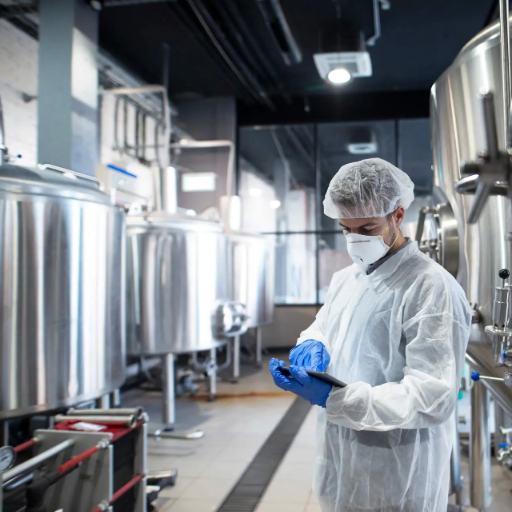
The FDA (Food and Drug Administration) and ISO (International Organization for Standardization) certifications are very important for the safety and quality of food in the whole industry. The FDA certification is mainly concerned with the regulatory compliance in the U. S. It means that strict safety measures are taken to prevent the public from being harmed through food products. This regulation includes everything from product labeling, and usage of certain substances in manufacturing to prevention of contamination. All food companies wishing to sell their products in the U. S. must follow these rules first.
On the contrary, ISO certifications including ISO 22000 offer implementation of food safety management systems with global recognition. The main goal of these certifications is to assist organizations identify and manage food safety hazards throughout their supply chains no matter where they are situated geographically. Getting the ISO certification means the company is loyal to its quality and safety standards plus it is the need for international trade, and darling consumer trust.
FDA and ISO certifications play supporting roles in the development of a safe and reliable food supply. Compliance with FDA means a full-fledged U. S. regulations observance, while ISO standards make clustering on an international dimension. It leads to the easy and smooth global co-activity and trade. It is really comforting for the manufacturers that gaining these certifications not only secures the safety aspect but also enhances the marketability of their products as it would be understood that they care about quality and thus being compliant.
The safety and hygiene condition in food processing is one of the most important considerations when the aim is public health protection. Eating unsafe products is likely to lead to health issues of different levels of seriousness, with foodborne diseases being the most significant category exposing the consumer to the greatest risk. The main reason for the occurrence of such diseases is the presence of pathogenic microorganisms, viruses, or chemical substances in food. To avoid these risks and their related impacts, it is imperative to practice and maintain good hygiene and safety standards throughout the entire production process starting from receiving the raw materials until delivering the packed finished product.
Hygiene practices being applied effectively in food production not only help in the process of safety but also affected the quality and regulatory compliance. To be specific, governments and international organizations set up strict standards, and guidelines with a primary goal of preventing contamination and protecting consumers. Following these standards will not only build trust with the consumers but also allow the businesses to operate in the global market. The cleanliness of the premises, the right storage conditions, and regular checks are the main factors that support these standards.
In addition to legal compliance, the attention given to safety and hygiene encourages food producers to have a sense of accountability and responsibility. To put it another way, the number of consumers that hard and safety measures benefited would be further reduced in case of a company’s loss of reputation and credibility, as the consumer market would eventually shun the company. This dedication to cleanliness and quality is, in this case, a strong component of the long-term success in the competitive food market, which may be called the ‘dirty’ industry’.
The food industry’s non-compliance with cleanliness and safety regulations can severely affect both the consumers and businesses. First and foremost, it risks public health directly. The use or consumption of contaminated or incorrectly prepared foods can cause foodborne diseases, some of which may require hospitalization or even cause deaths. This not only jeopardizes the health of the consumers but also shakes the trust in the whole food industry.
For the companies, the non-compliance to safety regulations can lead to a series of legal problems including large fines, claims, and eventually, the closure of the business. The food safety compliance is strictly monitored by the regulatory authorities; hence, an insignificant error can ruin a company’s reputation irrevocably. In the event of loss of trust, the companies usually suffer from the reduced loyalty of consumers and revenue declines which in extreme cases may cause their extinction in a highly competitive market over time.
The economic effects can go beyond the company that could no longer afford to continue functioning. Violations of the safety regulations can trigger an increase in monitoring across the whole industry by the authorities, thus, raising compliance costs for compliant firms as well. Moreover, health emergencies that occur over large areas and are associated with non-compliance can devastate whole populations and the communities will suffer from the dual creation of financial squeeze through the unavailability of healthcare funds and loss of workforce productivity. Thus, the importance of cleanliness and strict adherence to safety standards cannot be overstressed: it is a legal requirement that is also crucial for the building of trust, making a profit and saving lives.

Food-grade stainless steel brings to the table its anti-corrosive properties and durability that in combination are the perfect reasons to use it in the food and beverage industry. The reason for its corrosion resistance is thanks to its composition that has chromium which is responsible for making a protective oxide layer on the stainless steel surface. This layer stops the process of rusting going on and also acts as a barrier against contamination ensuring the material is safe for the handling of food and beverages during the period of use that is long.
The robust nature of stainless steel adds to its advantages and it is one of the materials that would not fall apart even after being subjected to extreme conditions like the case of commercial kitchens or processing facilities. It keeps its strength under the conditions of high temperatures, humidity, and acidic or alkaline substances which are usually in the food preparation and storage. With this strength, the food-grade stainless steels are the ones that usually last and do not need to be replaced frequently which leads to reduced long-term cost of the establishment.
Moreover, the steel once more pleads its case as a material of choice in the world of food and beverages by virtue of being very easy to clean and sanitize. Its non-conducive surface guarantees that no flavors or smells are sent to the food thus preserving the quality of the raw materials. All these pros taken together accentuate the role played by stainless steel in providing food safety, efficiency, and reliability among other things.
Stainless steel has always been and continues to be an ideal choice for hygienic environments such as the food and beverage industry where it is easy to clean. The metal is smooth and non-porous which blocks the adhesion of dirt, grease, and bacteria allowing all of them to be removed easily. When cleanliness is assured bacteria will not grow since it is in compliance with the stringent sanitary standards.
Further, stainless steel is resistant and can withstand harsh cleaning agents. It can be washed with detergents, disinfectants, and by high-pressure cleaning without losing its quality or corroding. The durability not only ensures the material’s integrity but also lessens the frequency of replacements which becomes a cost-effective solution in the long run.
Moreover, the brightness of stainless steel provides a polished surface that will help in showing any residue or contaminants which is a good thing because it means cleanliness is assured. All these properties together make it a trustworthy and hygienic material that is crucial for the safety and quality of food prepared and other precise environments.
Among the comparison of stainless steel with other materials such as plastic, wood, and aluminum, one of the key factors that it could be simple to non-metallic and wood materials to do is its durability and hygienic properties . Stainless steel like plastic has a long life cycle and does not absorb reserve or flavors making it easier for food preparation and storage. Even though germs cannot usually be seen, these germs can still be present in plastic surfaces which overtime will develop scratches and grooves that may even harbor the bacteria. The smooth and nonporous surface feature of stainless steel eradicates this danger giving better sanitation.
Wood besides being beautiful and biodegradable, faces limitations in high-moisture or food-grade areas. It can warp, crack, and soak up the liquid which might consequently result in the growth of mold or even contamination. But stainless steel is not affected by moisture and temperature changes. This is why it is the uppermost option for those places which follow strict hygiene protocols, such as commercial kitchens or hospitals.
Although aluminum is a low-density metal with superior heat conductivity, it is still not up to par with stainless steel in terms of strength and corrosion resistance capabilities. Corrosion can occur in aluminum when it is exposed to a highly acidic or salty atmosphere, which means the aluminum will be of reduced lifespan if it is corroded. Conversely, an exceptionally high corrosion resistance is characteristic of stainless steel, and it is also more durable than aluminum, which makes it possible for such tough conditions to be applied without the quality being compromised. The above-mentioned properties are the main factors behind the continuous choice of stainless steel as the principal material in applications where hygiene, strength, and longevity are the main criteria.
A: Food Grade Stainless Steel Parts Manufacturing is a metallurgy technique that utilizes stainless steel approved for human consumption in making maps and machines which will have direct contact with food. The attention of the process is on materials like 304 and 316 stainless steel due to their features such as corrosion resistance, easy cleaning, and negligible transfer into the food. The production process results in stainless steel containers, stainless steel equipment, and surfaces in contact with products that meet food safety regulations and are frequently applied in the areas of food storage, pots and pans, bakeware, frying pans, etc.
A: 304 stainless steel has been classified as austenitic because of its microstructure, the main elements present are chromium and nickel, which provide good corrosion resistance and cleaning ability. The food grade 304 quality is used for widely food storage, stainless steel food containers, and kitchen equipment since it is safe for food, easy to clean, and resistant to corrosion by many types. Its strength, heat resistance, and resistance to most oxidizing acids make it suitable for cooking different types of food and for the manufacture of stainless steel parts that come in contact with the food.
A: Grade 316 stainless steel, besides having chromium and nickel, also contains molybdenum, thus giving it the remarkable ability to withstand corrosion brought about by chlorides better than other grades, and therefore, it is more effective in corrosive environments. The use of 316 stainless steel is recommended for applications in the food industry where there is contact with salt, acidic marinades, or strong cleaning agents. When it comes to stainless steel containers and equipment used in coastal or high-chloride areas, grades 304 and 316 are often compared, and grade 316 is the one selected especially when pitting corrosion or resistance to stress corrosion cracking is an issue.
A: Stainless steel grades 304 and 316 which are austenitic type are non-magnetic, exceptionally ductile, and have a nice surface finish, thus their cleaning and sanitization are much simpler than other steel alloys. The presence of smooth sheet metal and polished stainless surfaces in contact with products prevent the adhesion of bacteria and make cleaning easier. The easy-to-clean stainless steel containers and equipment for food help to comply with the food safety and hygiene standards, thus, the risk of contamination is lower as compared to porous materials like cast iron.
A: In general, food grade stainless steel parts that are properly manufactured and finished are considered to be food safe because the formation of a passive layer of chromium oxide prevents the migration of metals. However, even though chromium and nickel are present in stainless steel, their migration into food has been proved to be negligible during normal cooking and storing processes. It is the correct stainless steel grade, proper surface finish combined with not storing highly acidic food for long in low-grade metals that can minimize the migration of metallic ions into food.
A: The corrosive actions that can damage food-grade metal include the pitting and crevice type, the uniform type and the stress-related type, with chlorides being a common factor that worsens the situation. Corrective measures involve selecting the right grade of stainless steel (for instance, 316 stainless steel for chloride-rich environments), designing to eliminate crevices, proper welding and finishing, and routine cleaning. By knowing these failure modes, manufacturers of Food Grade Stainless Steel Parts Manufacturing are able to produce corrosion resistant stainless steel equipment and steel products that have a long service life.
A: Stainless steel has the best properties among materials for many cooking and food processing tasks such as corrosion resistance, easy sanitization, and a wide range of suitable temperatures. Even though cast iron has the downside of being heavy for heat retention and seasoning, stainless steel frying pan, stainless steel bakeware, and pots and pans are still the most popular where cleaning, food safety, and durability are the main concerns. In the end, the choice comes down to the intended use: stainless steel used for cutlery, cooking of all types of food, and stainless steel food containers often outlast their alternatives in food grade applications.