

Supportive, Professional, Client-Focused Service
From prototypes to full-scale production, we’ve got you covered.


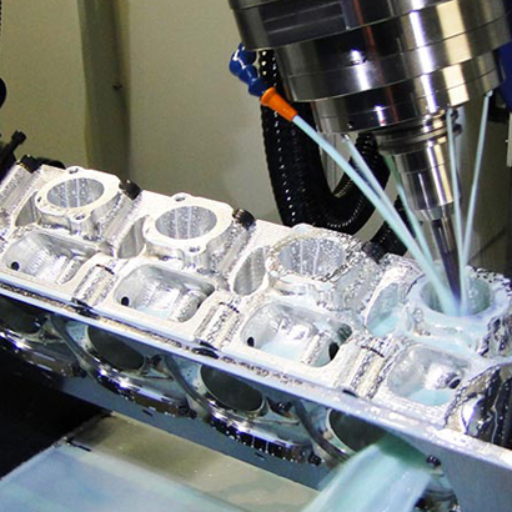
It is of utmost importance to meet high standards of craftsmanship and regulation when producing precision engineered parts for the medical devices production industry. When addressing the CNC process for medical device manufacturing, the directive of following the regulations imposed by the Food and Drug Administration is more than a requirement; it is a dire assurance of safety and efficiency of the product provided to the patients. The following review focuses on the combination of modern CNC techniques and FDA standards; addresses the prevailing trends and practices inherent to such new machining techniques and presents how original equipment manufacturers adapt their systems to these requirements. Therefore, whether one is already familiar with the requirements of the FDA for registration or wishes to improve the process efficiencies within the factory, the following information is intended to aid in achieving compliance with current high quality standards in the field of medical device machining.

CNC machining in medicine denotes the application of CNC machines in making exact components that make up medical gadgets and apparatus. Such a process is essential for the manufacture of parts which have high precision and reliability, and which comply with acceptable industry manufacturing processes as well as safety. Stainless steel, titanium, and medical-grade plastics are among the most common materials used for medical CNC machining due to their superior strength, non-toxicity, and non-rusting properties. Complete advanced machining facilitated by CNC technology and systems can be achieved by proper automation and programming of machine operations to achieve complex shapes needed for medical device machining including implants, surgical tools, and devices for examinations which enhances the capacities of medicine as a practice.
In the manufacturing industry, CNC which stands for Computer Numerical Control is a process in which computer driven equipment and/or machinery is utilized in the production of very accurate and often complex components. The basic idea behind CNC machining is simple. It is impossibility to process certain part design in a computer file without first utilizing some mechanical cutting, a drill, a lathe, or even a milling machine (depending on whether one is dealing with whether it is metal, plastic, wood, etc.). It offers precision machining without the problems of variability in performance encountered with manual machining. Indeed, CNC machines find their use in aerospace, medical device machining, automotive etc, all of which involve critical handling practices. In recent times, numerous CNC machines not only exploit such technological possibilities but also incorporate Artificial Intelligence and use of the Internet of Things within the framework of modem production systems.
CNC machines are the most dominant tools in the production of every medical device. and Why? Their precision and accuracy, which is needed for appropriate use of modern techniques. The need for these devices is precise and sterile because they are used in treating internal parts of the human body or sometimes a critical organ or tissue. CNC technology allows for the intricate construction of surgical tools, artificial limbs, and apart least, all the parts of a radiology machine. In addition, with advances in CNC medical device machining, biocompatible materials like titanium and PEEK which are used in the medical sector have become possible.
There is an increased focus on the applications of CNC in the medical sector, and this is due to its role in innovations such as the development of personalized prosthetics and fast-turnaround design for manufacturing. Such innovations have made it possible for healthcare facilities to provide individual patients with services at enhanced speeds, thus catering for the increasing need to provide patient-centered care which is growing. To this end, CNC machining’s consistency and manufacturability have ensured its usefulness in the field of medicine.
The challenges in medical device machining are tight tolerances manufacturing and material selection. Medical components provide challenges, as there is a need for tighter tolerances when compared to any other industry, in order to work with the human body or active changes in medical devices. In addition sleep note a times spent violate risks, primarily when safety and hygiene are concerned, includes bioincompatible materials such as titanium, stainless steel and some medical polymers. The appearance of surfaces is also vital as most products may need to have smooth polished surfaces to avoid irritation or bacterial infection in a medical setting. Finally, observing regulatory requirements such as ISO13485 basically ensures adequately compliance and quality control in all stages of the manufacturing process.
The fundamental aspect of medical device machining is ensuring high precision and uniformity when shaping the required components. Some of the conventional methods that are commonly used are Computer Numerical Control (CNC) machining, enabling design of very precise features with stringent specifications, or laser cutting, which allows clean and accurate cuts on even difficult parts. Other methods, such as the tiny machines known as micro knives and the electro discharge machines or micro-EDM are available and are mostly used for handy or miniature parts. All these are done in addition to measures aimed at ensuring quality such as the in process inspection, and three dimensional measurement of the finished workpiece; cupped and encapsulated; elements used for safe, sensitive, or high-energy radiation exposure medical device components.
Precision machinery used in medical device machining is a process of creating custom and precise components to be fitted into different types of devices and equipment for medical use. This industry largely depends on CNC (Computer Numerical Control) machining, laser cutting, micro-machining and other modern technologies that are necessary in order to achieve the tight tolerances required by the medical field. Most frequently used materials include titanium, stainless steel and medical grade polymers owing to the strength, bio-compatibility and resistance to corrosion in them.
Precision machining is very significant within the medical sector as it allows for several of these parts to be fabricated according to the strict health requirements and quality standards. Both for producing surgical instruments, orthopedic implants and for diagnostic machine components and prostheses. In order to ensure effectiveness and compliance, strict quality controls including continuous inspections,3D measurements and adherence to ISO13485 standards are enforced.
Thanks to technology, precision medical machining makes progress supporting developments in medicine; the field allows the manufacture of tools for gentle operations, person-specific prosthetics, and evolved medical equipment. This makes it possible for health care professionals to perform treatment in a precise, safe, and efficient manner.
Medical device machining aims to miniaturize components that play an important part in medical devices. This machining method, for the flexibility it provides, aims at miniaturizing components through processes like laser micromachining, micro-milling or electric discharge machining, attaining miniature and accurate features. These small features are key to the development of a wide array of systems including devices for minimally invasive surgery, diagnostic devices using microfluidics, and medical implantable electronics. These devices are designed in such a way as to adjust to the specific anatomical requirements of patients, thus improving the effectiveness of treatments and facilitating faster recovery. It is this technology that makes such impressive advancements possible by ensuring that the practice of medicine remains ahead of the curve.
5-Axis CNC Machining permits the headstock and spindle of the machine along with the tooling to move simultaneously in five axes of the coordinate system. Such cutting technology provides the maximum precision and performance in craftsmanship together with complex component parts manufacturing. Various benefits are:
This particular technology is absolutely necessary for fields where complex designs are heavily employed, and the performance of the equipment and the output is guaranteed to be consistent and efficient across even the most challenging or labor intensive processes.
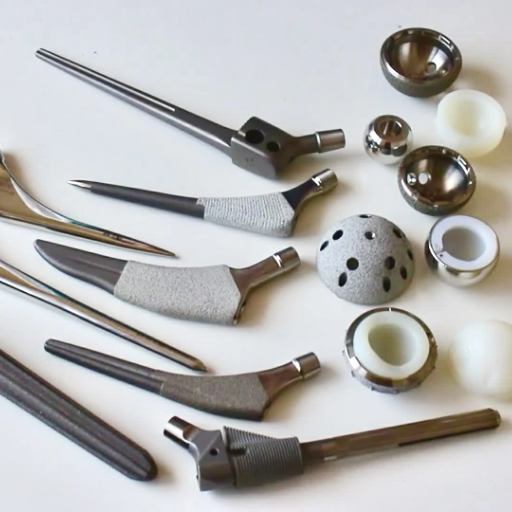
While making a choice of materials for medical device machining, several elements must be evaluated to comply with the strict guidelines that exist in the medical sector. The foremost factor is biocompatibility that guarantees that when materials such as titanium, stainless steel, and medical grade plastic come into contact with the human body, there will be no harmful effects. It is also important to ensure the longevity of the products by making them resistant to corrosion especially in the case of implants and surgical instruments. Moreover, in ensuring manufacturability, the material should under the supplied precision permitting, adhere to complicated machining processes. The above ensures the production and realization of safe, effective, and medically acceptable devices.
Biocompatible polymers are crucial for the production of medical devices because of factors such as their ease of use, benign nature, and quality. These elements have a wide range of uses from surgical sutures, catheters to drug delivery devices owing to the fact that they are highly compatible with the body. These materials are engineered to deliver the best possible solutions across a wide range of applications, while accounting for the stringent requirements of body reactions, physical durability, endurance, and flexibility for knife-edged medical devices. These include polymer substances like polythene, polypropylene, polylactic acid, and many others, as from the medical device machining experience these are tested and found to be most suitable. This has greatly enhanced the evolution of the health industry.
Titanium alloys are one of the most desiderated substances for medical device machining for many reasons. Titanium alloys have excellent biocompatibility because unlike other materials, titanium alloys do not cause any immune responses and can be used in making implants like joint replacements, dental attachments and the like. They too are highly resistant to corrosion in an environment that comprises the human body, which tends to degrade other materials with the passage of time because of the nature of bodily fluid contact. Further strengthening the case for titanium alloys is their light weight yet high strength structure which ensures an appropriate balance between endurance and unneeded weight, which comes in handy with patients for both comfort and motion services. With the advancements in medical technology, there is an increasing need to utilize the 3D printing technologies incorporating titanium alloys when creating implants that are designed with precision and specific details. Such developments demonstrate the endless pace in improvement of healthcare.
In recent times, medical device machining has seen several technological advances leading to the emergence of new competencies in this field. One of such advances has seen the utilization and use of cobalt-based alloys. Such alloys are preferred due to their mechanical, chemical, and biological properties. They exceed even titanium and its alloys. Another material which has made its way to the scene is “polyether ether ketone” or PEEK for short. This material in its intravenous application leads to less biomechanical issues, attributable to its light weight. There are, however, resorbable materials too, for example, magnesium-based alloys which are presently included for particular types of implants in connection with them resolving naturally with time. All these materials combined with advances in cutting metal have raised impact even in the area of medicine.
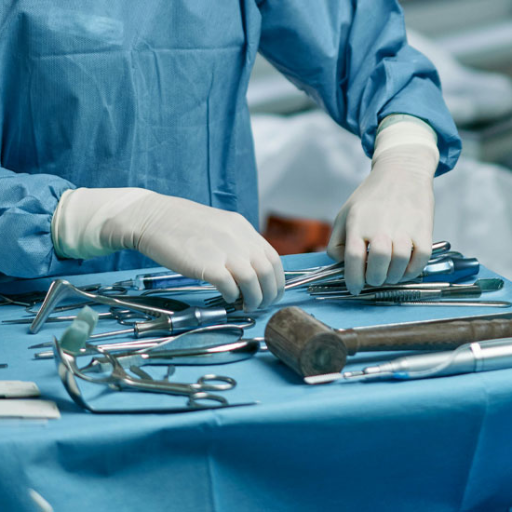
Regulatory compliance and standards need to followed very strictly in all the process of medical device machining in order to ensure safety of patients as well as reliability of products. Most manufacturers are working in some regulations, one of these is the requirements for quality management systems ISO 13485, which is helpful in controlled manufacturing of medical devices. For example, components should meet rigorous standards for validation, traceability, and documentation when FDA applies these standards in quality systems such as CFR 21 Part 820 in the US. However, the materials used must be biocompatible under certain norms such as ISO 10993 in order to safe use in medical purposes. Compliance with these standards ensures that apple offers a healthy product and in this case prevents harm to medical devices.
ISO 13485 is an internationally accepted standard for quality management, designed specifically to address the needs of the medical device industry. It is of utmost importance in CNC machining because it provides guidelines and requirements on designing and manufacturing as well assembling various components that make part of the medical devices. Abiding by ISO 13485 guarantees that enterprises incorporate and adhere to adequate process control measures, therefore enforcing uniformity as well as dependability and safety. ISO 13485-related adherence helps CNC machining companies to cater to the tough demands of the medical device industries that include but are not limited to traceability requirements, risk management concerning quality at every stage of process and production. Of course, this standard also improves the quality of the product. In fact, it is an important mechanism which ensures the contentment of suppliers and the principals in medical device machining for effective patient care.
For a product or a device to be appreciated and utilized in the United States, it has to be approved by the FDA, which is very important for medical device development. First and foremost, based on the potential risks and harms, the FDA categories these medical devices as Class I, Class II, or Class III devices, with Class III devices being the riskiest devices, followed by Class II devices, and lastly Class I devices. Class I devices offer minimal risk, and general controls must already be in place for classifying out activities. Class III devices require a premarket approval (PMA) because they are of the greatest risk providing assurance of their safety and usefulness.
To this end, There are also specific routes like 510(k) that requires proving substantial equivalence to an existing, legally marketed device and the new classification, de novo, for previously inexistent, low to moderate risk devices that manufacturers should adhere to. Another requirement, already considered, is the Design Controls, that for any medical device machining or Talentmedicaldevice developed or modified, requires application of Design and Control adapters, as per the latest conclusions of since 21 CFR Part 820.
Collaborating with the regulators sooner rather than later, for example within the Q-Submission process, during the FDA medical device machining process assists in the clarifications needed regarding the requirements and expectations concerning the approval process. Clear notes are maintained, extensive tests are performed and this leads to a successful submission ensuring the product fulfills all the safety and efficacy criteria.
The medical device machining due to its extremely high regulatory requirements that need to be met, has to be an industry that produces accurate and high quality parts, thanks to the various medical device CNC machining processes. Medical device components such as precision parts are room’s requirement of CNC machining processes. Proper maintenance of processes such as work instructions, records, and material traceability helps in achieving the quantities by regulations in force and relevance of products.
In most cases, quality control modalities in CNC operations for medical devices involve in-process control techniques, inspection of the first article, and post-inspection of the final product. Modern technologies, predominantly driven by AI, and relying on sophisticated monitoring and automated inspection systems, are used to control defects at an early stage of production. Such measures are not taken in vain because they enable compliance with regulatory standards and also reduce product failure risks which, in turn, contributes to the assurance of safe medical device usage and the confidence in its effectiveness.

The processes used in the medical device machining refer to the technologies used to manufacture components, as precise and high quality as possible. Some common methods include, CNC milling, turning, laser cutting and the electrical discharge machining process. Most of these processes make precision designs with very small tolerances which are important in medical devices including biocompatibility. Proper material choice, for instance in the application of titanium, stainless steel or medically approved polymers, is also a factor to consider durability and effectiveness. With the advanced technologies such as the multi axis machining and automation, the production is increased in both precision and performance.
All these processes help to produce medical devices that are safe, durable and very effective.
Building on the past perspective, medical device machining has witnessed innovations and the rise of high-tech solutions enabling greater accuracy and faster transition times. Within the paragraph follows a listing of suitable technologies, one of which is micromachining – an important process that entails creating small works of art such as tiny surgical tools or implants that cab be used during operations that involve minimal incisions. Moreover, multi-axis machining is a critical feature which allows one to assist in creating the most complex shapes with only a single tooling saves time on manufacturing and improved precision of curved or asymmetric features. Moreover, the CNC machines possessing AI monitoring systems that assist in immediate detection of errors and improve the quality measures in manufacture of the devices are incorporated. These revolutionary changes, therefore, show the progress of CNC in keeping pace with the challenges of the healthcare sector aimed at offering better medical care to patients.
When evaluating the machining capabilities needed for medical solutions, one cannot possibly overstate the significance of characteristics like precisions, compatibility of materials, and conformity to relevant regulations. The CNC metal cutting processes have to provide accuracies and precisions high enough to manufacture devices that will comply with strict standards in the medical field. The raw materials for machining should include biocompatible and long lasting materials such as certain medical grade stainless steel, titanium or polymer. For instance, ISO 13485 certification, which deals with manufacturing practices for medical device machining is a ‘must have’ for such industries. With these issues emphasized, the expansion of machining capabilities can be facilitated to enable the creation of efficient and healthy medical devices.
Design and Manufacturing Requirements for Medical Devices – This chapter discusses FDA guidelines for inspecting medical device companies and compliance with manufacturing regulations.
Medical Devices: Regulations, Standards, and Practices – A detailed resource on compliance with FDA regulations and manufacturing standards for medical devices.
CNC Machines in Production and Manufacturing of Medical Devices – This article highlights the applications of CNC machining in medical device manufacturing and its alignment with medical standards.
Design and Finite Element Analysis of Micro Punch CNC Machine Modeling for Medical Devices – Research on CNC machine design and its applications in medical device manufacturing, focusing on precision and compliance.
CNC machining takes its place in the medical industry since it uses computer-driven mill-turn-multi-axis machines to create highly precise medical supplies and parts. It is important because the medical manufacturing industry demands the highest standards from the medical trade, meticulously assembling medical parts and components so that the medical devices applied in procedures and implantation are repeatable precisions. Tolerated by precision CNC machining and specialized machine processes, cutting-edge medical products, machine parts, and intricate shapes prove capable of fulfilling regulatory requirements of life-saving applications in the field of medicine.
Elements related to the CNC machining processes include three-axis and five-axis CNC milling, Swiss CNC turning for smaller complex components, precision turning, grinding, and EDM medical for fine features and tight tolerances. These forms of processing represent the foundation of machining operations in the medical industry, enabling producers to manufacture medical parts and devices, medical implants, and equipment components under the necessary medical industry standards.
Materials commonly processed include implant-grade titanium, stainless steels, cobalt-chrome alloys, medical plastics (PEEK, UHMWPE), and biocompatible coatings. The standards necessary for all medical works should meet Market Acceptance-ISO 13485, FDA Quality System Regulation, material traceability, cleaning and testing protocols pertinent to the industry. Precision manufacturing and documentation must observe and ensure that machined medical products meet regulatory demands and indeed applicable for medical procedures.
The precision in medical devices is crucial: a difference of just a fraction may be enough to disrupt their overall fit, function, or biocompatibility. Precision CNC machining provides a means of complying within the micrometer range, which is necessary to ensure that medical implants, surgical instruments, and medical device components deliver as intended. Precision machining provides for consistent interchangeability of parts, minimizes final finishing work, and lends itself to the long-term reliability of life-saving medical devices and components.
Medical manufacturers must prioriti then 5-axis CNC machines, Swiss-type turning for small-diameter parts, EDM for delicate features, certified cleanroom machining, material traceability, and quality systems that conform to the industry standards. The capabilities incldude for further capabilities of secondary operations (passivation, polishing, coating), inspection metrology, and capability to produce both prototypes and high-volume machined medical components.