

Servizio di supporto, professionale, incentrato sul cliente
Dai prototipi alla produzione su vasta scala, abbiamo coperto.


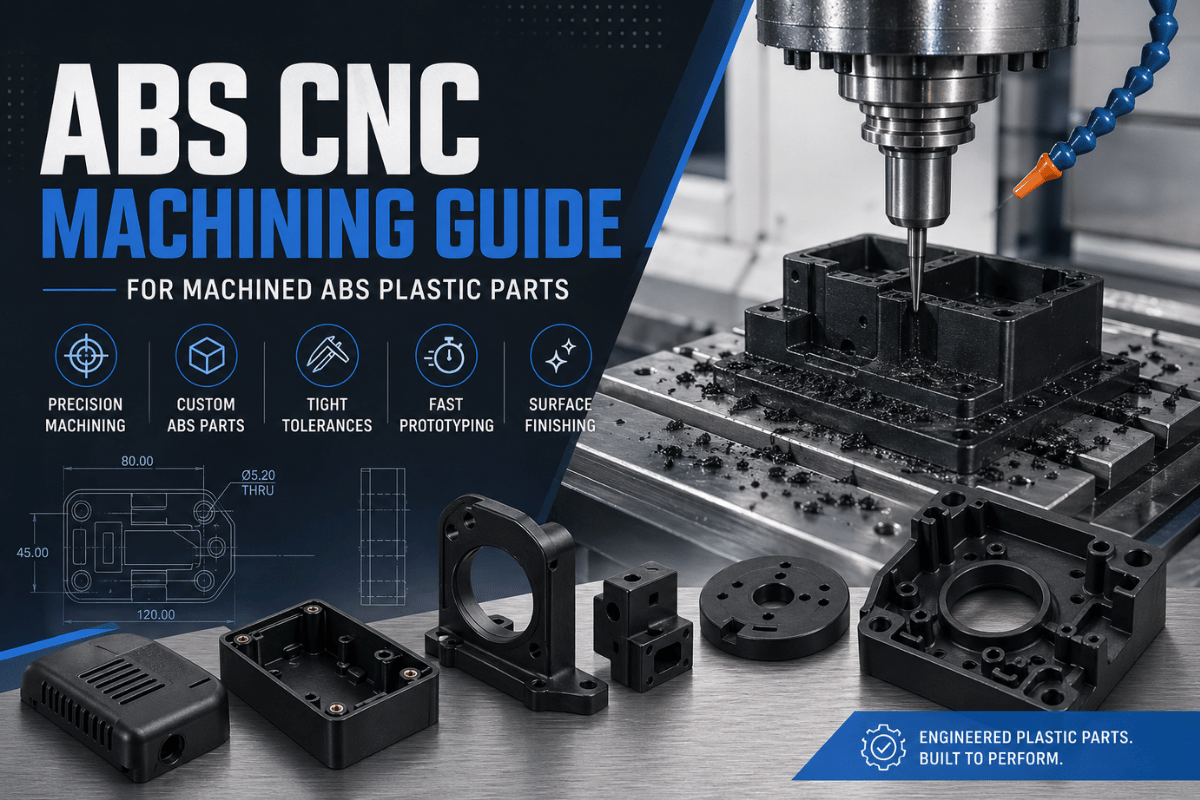
Lavorare l'ABS con macchinari CNC trasforma l'acrilonitrile butadiene stirene in parti di plastica funzionanti con tasche fresate, fori praticati, diametri torniti, bordi controllati, caratteristiche filettate e superfici di accoppiamento lavorate Il materiale è comune perché è poco costoso, resistente, semplice da lavorare e familiare agli acquirenti finali di alloggiamenti, maschere, infissi, finiture automobilistiche, involucri elettronici e prototipi di prodotti di consumo.
Risposta rapida, i pezzi di produzione di lavorazione CNC ABS si adattano ai prototipi, alla produzione di ponti, alle maschere, agli infissi e alle parti di uso finale in piccoli volumi che richiedono un controllo delle funzionalità maggiore rispetto a molte parti in ABS stampate in 3D e un impegno di utensili inferiore rispetto allo stampaggio a iniezione La preoccupazione principale per l'acquisto non è se l'ABS può essere lavorato È se il disegno governa il calore, lo spessore della parete, il supporto del pezzo, la finitura superficiale, la tolleranza dimensionale e l'ispezione in modo sufficiente per un preventivo prevedibile.
Se il disegno è pronto per l'acquisto, fatelo quotare tramite Lecreator's Servizio di lavorazione CNC ABS. Se si sta scegliendo ABS come plastica per il prodotto, utilizzare questa guida per ridurre il rischio di ingegneria prima della RFQ.
| Nome materiale | ABS, acrilonitrile butadiene stirene, un termoplastico resistente agli urti. |
| Densità di riferimento | Circa 1,04 g/cm3 in una scheda tecnica ABS di plastica laminata; Lecreator elenca 1,04-1,07 g/cm3 per i gradi ABS. |
| Tipico lavoro CNC | fresatura CNC, tornitura CNC, foratura, maschiatura, svasatura, finitura dei bordi, ispezione e caratteristiche rivolte verso l'assemblaggio. |
| Principali rischi | Accumulo di calore, sfregamento dell'utensile, chiacchiere, distorsioni, pareti sottili non supportate, requisiti estetici poco chiari e richiami di tolleranza che ignorano la geometria. |
| Passo successivo commerciale | Preparare note CAD, disegno, grado del materiale, quantità, finitura, tolleranza e ispezione prima di richiedere Servizi di lavorazione CNC ABS. |
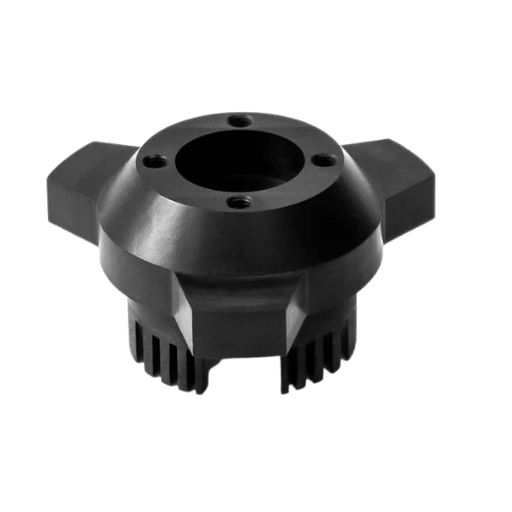
L'ambito di lavorazione copre più del trasferimento di un foglio o blocco ABS al mulino Un preventivo serio considera la forma del materiale ABS, il grado, lo spessore del foglio o del blocco, la geometria, il piano di riferimento, la strategia di lavorazione, i refrigeranti in plastica o i criteri di getto d'aria, di finitura e di ispezione finale I pannelli piani possono richiedere solo profilatura e fresatura a fori Le abitazioni possono richiedere tasche interne ed esterne, nervature e sporgenze, fessure, fori di fissaggio maschiati, controfori superficiali e finitura secondaria.
In termini di acquisto reale, la lavorazione dell'ABS è un pacchetto di servizi Può includere l'approvvigionamento di materiali, la fresatura CNC, Tornitura CNC per le caratteristiche rotonde, sbavatura manuale dei bordi, ispezione superficiale e controllo finale secondo un disegno La pagina ABS di Lecreator cita la fresatura e la tornitura CNC come processi principali, con involucro di fresatura massimo approssimativo di 1200 mm x 600 mm x 500 mm e involucro di tornitura massimo di 300 mm di diametro x 600 mm di lunghezza.
Utilizzare materiali di lavorazione CNC in plastica come gruppo di riferimento plastico più ampio Come plastica resistente, a basso costo e opaca, l'ABS è solitamente la scelta giusta, ma quando l'esposizione all'usura, alla chiarezza, all'attacco chimico, all'attrito o agli effetti della temperatura è importante, considera POM, nylon, acrilico, PTFE, PEEK o policarbonato.

La scheda tecnica Plastica laminata definisce l'ABS come un modulo di flessione a basso costo facile da lavorare e formare plastica adatto per componenti resistenti agli urti che richiedono resistenza alla flessione e rigidità Il suo grafico delle proprietà mostra una resistenza alla trazione di 6500 psi quando testato su ASTM D638, un modulo di flessione di 320000 psi quando testato su ASTM D790, un impatto di 7,0 ft-lb/in Izod quando testato su ASTM D256, una deflessione termica di 215 gradi F quando testato su ASTM D648, un peso specifico di 1,04 g/cm3 quando testato su ASTM D792 e un coefficiente di 5,3 x 10⁻⁵ in/in/deg F di espansione termica lineare quando testato su ASTM D696. Utilizzare questi valori come proprietà traccianti per il grado pertinente non come proprietà garantite.
Quei codici ASTM contano perché quelli sono metodi di prova, non promesse di prestazioni che ogni parte abs lavorata deve soddisfare ASTM D638 prova resistenza alla trazione, D790 prova resistenza alla flessione, D256 prova resistenza all'urto, D648 prova la temperatura di deflessione, D696 prova l'espansione termica, D570 prova l'assorbimento d'acqua e D792 prova la densità o il peso specifico Sapere quale grado di materiale e scheda tecnica il vostro fornitore di impianti o programmatori CNC sta citando, soprattutto se la parte vedrà calore, carico, umidità o ispezione dopo il trasporto.
| Checkpoint proprietà ABS | Valore di riferimento | Rilevanza meccanica |
|---|---|---|
| Resistenza alla trazione | 6500 psi sulla scheda tecnica ABS Plastica Laminata; 29,6-60 MPa sulla pagina ABS Lecreator. | Utile per alloggiamenti portanti e staffe. |
| Modulo flessionale | 320000 psi su plastica laminata; 2,1-2,4 GPa su Lecreator. | Aiuta a giudicare la flessione della parete e il supporto dell'attrezzatura. |
| Impatto dentellato dell'Izod | 7,0 piedi-libbra/pollici su plastica laminata; 200-400 J/m su Lecreator. | Supporta la revisione del rischio di impatto per coperture e protezioni. |
| Deflessione termica | 215 gradi F su plastica laminata; 88-100 gradi C a 1,8 MPa su Lecreator. | Bandiere esposizione al calore e rischio di calore dell'utensile. |
| Gravità o densità specifica | 1,04 g/cm3 su plastica laminata; 1,04-1,07 g/cm3 su Lecreator. | Utile per la verifica del peso e del materiale. |
| Assorbimento d'acqua | 0.2-0.4% oltre 24 ore sulla pagina ABS Lecreator. | Questioni per l'ispezione e lo stoccaggio post-lavorazione. |
| Espansione termica | 5,3 x 10^-5 pollici/pollici/gradi F su plastica laminata; 73-108 um/m-gradi C su Lecreator. | Importante per i controlli di vestibilità dopo il cambio di temperatura. |
| Temperatura di funzionamento | -20 gradi da C a 80 gradi C sulla pagina ABS Lecreator. | Utilizzare come prompt di revisione, non come garanzia di progettazione universale. |
Prima di approvare un disegno ABS lavorato CNC, convertire un ampio linguaggio di scheda tecnica in un numero noto di controlli misurabili Parole come eccellenti proprietà meccaniche, finitura superficiale superiore, buona stabilità dimensionale e resistenza al calore dovrebbero tutti fare riferimento a una nota di disegno, certificato del materiale, piano di ispezione o procedura di prova Le plastiche ABS di qualità macchina possono ancora deformarsi durante la lavorazione se il mulino terminale sfrega, una parete non è supportata o la parte è riscaldata durante la lavorazione. Ecco perché la revisione della producibilità dovrebbe considerare il processo di lavorazione, il processo CNC, la configurazione della lavorazione, il metodo di fabbricazione, le conduttività termiche attorno alla parte e prevede di ricottura o distensione della geometria finale.
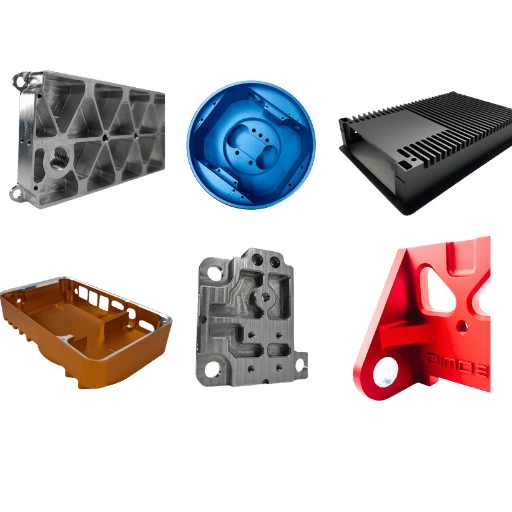
Come si fa a sapere se una parte in ABS lavorato CNC sarà realizzata da CNC, Stampa 3D, termoformatura o stampaggio a iniezione? la scelta del processo dipende dalla quantità, dalla forma del materiale, dai dettagli della superficie, dal controllo delle caratteristiche e dalla maturazione del design. La produzione CNC è spesso il compromesso più pratico quando l'acquirente ha bisogno di materiale di serie reale, posizioni precise delle caratteristiche, superfici controllate e spazio per rivedere rapidamente senza investire in attrezzature complesse.
| Processo | Migliore vestibilità | Rischio acquirente | Chiedi prima del preventivo |
|---|---|---|---|
| Lavorazione CNC ABS | Prototipi funzionali, maschere, infissi, alloggiamenti, produzione breve, caratteristiche di accoppiamento controllate. | Calore, chiacchiere, segni di utensili, deriva di tolleranza sulla geometria flessibile. | Quali facce, buchi o datum hanno effettivamente bisogno di uno stretto controllo? |
| Stampa 3D dell'ABS | Controlli iniziali della forma, prototipi a basso carico, test concettuali interni, iterazione rapida della forma. | Direzione dello strato, anisotropia, restringimento, struttura superficiale e variazione post-elaborazione. | Il test riguarda solo la forma o la parte deve comportarsi come un materiale lavorato? |
| Stampaggio ad iniezione | Disegni maturi, richiesta ripetuta, resina stabile, consistenza cosmetica, produzione in grandi volumi. | Costo dell'attrezzatura, tempi di consegna dell'utensile, modifiche al blocco della progettazione, al restringimento e alla bozza. | Il design è abbastanza congelato da giustificare l'attrezzatura? |
Per i primi campioni fisici, prototipazione rapida può associare la lavorazione CNC con opzioni stampate o stampate Per le parti in ABS solo CNC, il preventivo dovrebbe indicare se il fornitore realizzerà uno o due prototipi, eseguirà un piccolo lotto o produrrà campioni di ispezione abbastanza rapidamente da convalidare le ipotesi di fissaggio.
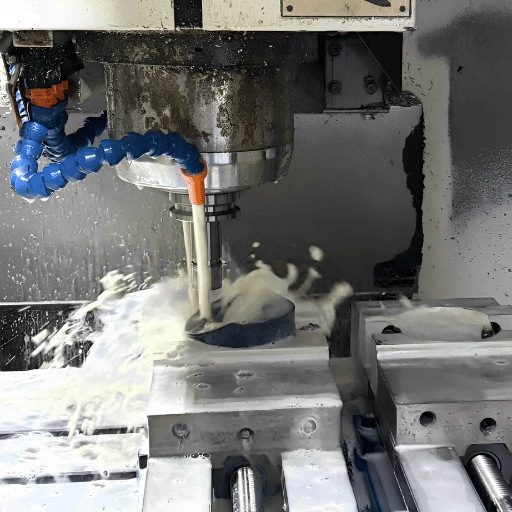
Quale numero sia più stretto da lavorare non è lo stesso di quale caratteristica sia più difficile da lavorare In ABS, una tolleranza stretta su una sporgenza può comportare più rischi di una tolleranza allentata su una parete e la scala di tolleranza al rischio di fusione ABS a 9 livelli fornisce un modo per organizzare le caratteristiche di disegno in base alla flessione, al calore, alla deformazione e al carico di ispezione che inducono.
| Livello | Condizione caratteristica | Segnale di rischio | Azione preventivo |
|---|---|---|---|
| 1 | Profilo aperto, sezione spessa, bordo non critico. | Calore basso e bassa sensibilità del morsetto. | Di solito basta la tolleranza generale. |
| 2 | Semplici fori praticati con generosa distanza del bordo. | Sgombero dei trucioli e controllo della bava. | Chiama il diametro del foro, la profondità e il requisito di sbavatura. |
| 3 | Tasca fresata con pavimento largo. | I segni degli attrezzi e la planarità del pavimento possono far passare il tempo. | Contrassegna solo le aree funzionali del pavimento. |
| 4 | Parete sottile sotto circa 1,0 mm o costola lunga non supportata. | La flessione della parete e la distorsione del morsetto possono superare il callout. | Rivedere lo spessore della parete, il supporto e la forza di ispezione. |
| 5 | Slot profondo, scanalatura stretta o cavità ad alto rapporto d'aspetto. | Strofinare gli utensili e scadente scappatoia aggiungere calore. | Aumenta il raggio o consenti la strategia step-down. |
| 6 | Tolleranza di posizione stretta su molti fori. | Lo schema dei dati e la temperatura influenzano l'ispezione. | Definire le caratteristiche dei dati e la temperatura di ispezione. |
| 7 | Cosmetico esterno faccia con percorso visibile dell'utensile. | La finitura lavorata potrebbe non soddisfare le esigenze di aspetto. | Separare le zone cosmetiche dalle zone funzionali. |
| 8 | Caratteristica vicino alla fonte di calore o al carico di assemblaggio successivo. | L'espansione termica e il rilassamento dello stress possono spostare la vestibilità. | Esamina il grado ABS, la temperatura di servizio e lo stack di adattamento. |
| 9 | Chiamata ultra-stretta senza datum, finitura o note di livello materiale. | Il disegno chiede precisione ma nasconde il piano di controllo. | Pausa per la revisione DFM prima di citare. |
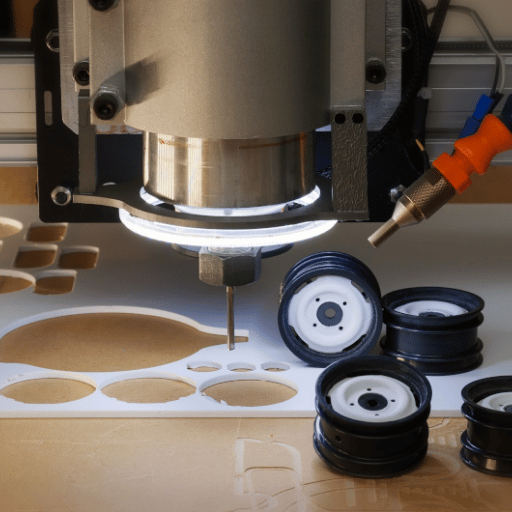
Il rispetto dei limiti del materiale rende l'ABS molto più facile da lavorare I difetti di lavorazione comuni nell'ABS includono bordi sfregati, chiacchiere di lavorazione, percorsi degli utensili torbidi, bave, angoli fusi e posizione del foro spostato su pareti flessibili I difetti di lavorazione nella plastica ABS di solito risalgono a parametri di taglio errati, scarso supporto di serraggio o utensili da taglio progettati per la lavorazione dei metalli CNC I servizi di lavorazione della plastica dovrebbero leggere la parte come un problema di calore e supporto prima di trattarla come un'altra caratteristica su una parte fresata CNC in stile metallo.
| Problema DFM | Cosa va storto | Migliore istruzione di disegno |
|---|---|---|
| Angoli interni affilati | Piccoli attrezzi sfregano, il calore sale, gli angoli si segnano. | Aggiungere il raggio accettabile più grande. |
| Sottili muri non supportati | Le pareti si flettono durante la lavorazione e l'ispezione. | Aumentare lo spessore della parete o contrassegnare le aree critiche per il supporto. |
| Profonde fessure strette | L'imballaggio del chip e il calore dell'utensile influenzano la finitura. | Apri lo slot, aumenta il raggio o consenti più configurazioni. |
| Tutti i volti contrassegnati cosmetico | Il tempo delle quotazioni aumenta e le aspettative di fine si confondono. | Contrassegna separatamente la superficie A, la superficie B e le aree nascoste. |
| Nessun piano di riferimento | L'ispezione potrebbe non corrispondere all'intento dell'assemblaggio. | Definire i datum sulle superfici che controllano l'adattamento. |
Per le funzionalità che si basano su tasche, fessure o facce lavorate, inizia con il Servizio di fresatura CNC. Per boccole, rulli, distanziatori e parti rotonde in ABS, verificare se la geometria è gestita meglio dalla tornitura CNC prima di aggiungere configurazioni di fresatura non necessarie.

Gli acquirenti spesso sotto-specificano la finitura superficiale dell'ABS. “Black ABS housing” non è sufficiente se una faccia si trova di fronte a un cliente, un'altra faccia scatta in un assieme e una tasca nascosta può mantenere un normale percorso dell'utensile Le superfici in ABS lavorate possono essere lasciate lavorate, sbavate, levigate, sabbiate con perline, verniciate, incollate, placcate attraverso un processo qualificato o riviste per la corrispondenza delle texture.
| Richiesta di finitura | Buon uso | Nota di citazione |
|---|---|---|
| Come lavorato | Caratteristiche nascoste, infissi, tasche interne. | Accetta i normali segni degli utensili se non controllati. |
| Bordo scavato | Manipolazione bordi, fori, fessure, coperture. | Esigenze di break-edge dello Stato, non solo“rimuovere burrs.” |
| Superficie levigata | Alloggiamenti e pannelli visibili prima della vernice. | Può cambiare le dimensioni sulle caratteristiche sottili. |
| Perlina fatta saltare | Texture cosmetica opaca quando grado e geometria lo consentono. | Testare un campione se l'uniformità cosmetica è importante. |
| Verniciato o rivestito | Beni di consumo, pannelli, modelli di aspetto. | Confermare i criteri di adesione, mascheratura, colore e ispezione. |
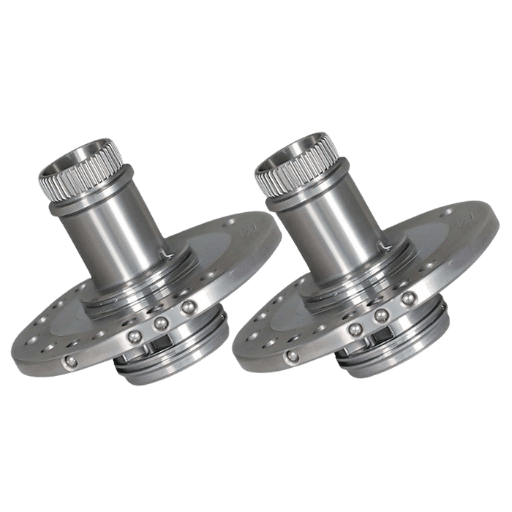
Un prodotto ABS che può sembrare semplice all'esterno può avere il suo livello di rischio di quotazione modificato dal tipo di parte Un alloggiamento può aver bisogno di controllo cosmetico Una maschera ha bisogno di una vestibilità ripetuta Una parte di assetto per autoveicoli può aver bisogno di revisione del calore e UV Una staffa robotica può aver bisogno di resistenza agli urti e posizionamento preciso dei fori La tabella seguente è un modo rapido per classificare ogni parte prima di inviare i file.
Una parte in plastica ABS per un involucro portatile ha note di citazione diverse rispetto ai raccordi ABS, alle parti automobilistiche o a un prototipo di dispositivo a 5 assi. Nell'industria automobilistica, le basse temperature di deflessione termica possono essere rilevanti quanto la resistenza agli urti perché la parte potrebbe trovarsi vicino alla luce solare, all'elettronica calda o all'aria in movimento. La revisione della lavorazione di precisione dovrebbe collegare i requisiti di finitura e resistenza alla condizione di utilizzo effettiva.
| Tipo di parte | Requisito principale | Rischio da segnalare | Link interno utile |
|---|---|---|---|
| Involucro elettronico | Boss, prese d'aria, caratteristiche a scatto, shell visibile. | Conflitto di tolleranza del viso cosmetico e dell'assemblaggio. | Servizio ABS |
| Assetto automobilistico | Aspetto, resistenza agli urti, clip, revisione della temperatura. | Esposizione al calore e alle intemperie per grado. | parti CNC automobilistiche |
| Jig di produzione | Ripetere i punti di contatto e sostituzione rapida. | Indossare sulle superfici di contatto. | lavorazione plastica |
| Piastra dell'apparecchio | Planarità, posizione del foro, bloccaggio stabile. | Ordito sotto carico di lavorazione o ispezione. | Fresatura CNC |
| Distanziale tornito | Diametro, lunghezza, foro, smusso. | Chip e calore rigorosi su piccoli diametri. | Tornitura CNC |
| Prototipo di prodotto di consumo | Guarda, senti, sporgenze a vite, superfici adatte a mano. | I segni lavorati potrebbero non corrispondere all'aspetto finale modellato. | prototipazione rapida |
| Modello di dispositivo medico | Ergonomia, test degli apparecchi, revisione visiva. | Ipotesi materiali regolamentari se utilizzate oltre la fase del modello. | macchinazione CNC del dispositivo medico |
| Copertina robotica | Impatto, autorizzazione, accesso al servizio. | Impatto e vibrazione attorno a sporgenze sottili. | nylon confronto |
| Campione di confronto materiale | Comportamento ABS vs acrilico vs POM vs nylon. | Materiale sbagliato scelto perché tutti si chiamano“plastic.” | Lavorazione CNC POM |

Un eccellente RFQ identifica cosa assumere e dove convalidare Invia un modello CAD 3D, disegno 2D, grado o materiale equivalente accettabile, numero di parte, quantità, revisione, scadenza, trattamento di vernice o superficie, punti di ispezione, ambiente di utilizzo Per le parti ripetute, parlaci dei difetti passati o dei problemi di adattamento Per le parti cosmetiche identifica ciascuna superficie visibile e ciascuna superficie nascosta Per le operazioni di tolleranza critica mostra il piano di riferimento e il caso d'uso della parte finale.
La pagina ABS di Lecreator cita tolleranze generali e opzioni di precisione, ma il preventivo finale dipende ancora dalla dimensione delle caratteristiche, dal grado, dalla configurazione, dall'ispezione e dalla geometria Richiedere la stessa tolleranza stretta su ciascuna funzionalità può rallentare il preventivo e aumentare i costi Specificare solo le poche dimensioni critiche che controllano la funzione, quindi lasciare che il fornitore scelga pratiche fasi di lavorazione e ispezione per il resto.
Quando il componente è quasi pronto per il preventivo, utilizzare il pagina contatti oppure la pagina del servizio ABS Se le specifiche non si sentono a destra dopo la revisione, confrontare queste specifiche ABS ad altre materie plastiche: lavorazione CNC acrilica per componenti trasparenti, POM per parti a basso attrito o nylon per abrasione e tenacità.

Gli acquirenti stanno pesando la lavorazione CNC ABS contro la produzione additiva e lo stampaggio con maggiore attenzione perché una parte può passare attraverso diverse fasi di produzione Un team potrebbe stampare un concetto iniziale, quindi lavorare CNC un prototipo funzionale, quindi modellare il design finito Quel percorso rende la documentazione più critica: l'acquirente deve sapere quale parte di prova è stata stampata, quale è stata lavorata, quale è stata stampata e quali ipotesi devono passare dalla prototipazione alla produzione.
Un altro cambiamento è che gli acquirenti di plastica ingegneristica a basso volume si aspettano più della forma Vogliono note di ispezione, controllo della superficie, tracciabilità dei materiali e consigli sull'applicazione oltre alla geometria lavorata Quando il materiale è ABS, quelle caratteristiche funzionano meglio quando il disegno è chiaro su calore, tolleranza, finitura e assemblaggio Quando le specifiche non sono chiare, la citazione potrebbe sembrare economica mentre il rischio di produzione rimane nascosto.
Sì. La lavorazione CNC ABS produce prototipi funzionali, alloggiamenti esterni, piastre frontali, staffe di montaggio, dispositivi e parti di produzione a basso volume quando l'applicazione richiede il controllo della bava, un fissaggio del suono, fori accurati, superfici stabili, tolleranze realistiche o l'approvazione del campione.
Tra le plastiche tecniche, la lavorabilità dell'ABS è considerata una delle scelte più semplici, soprattutto rispetto alle plastiche abrasive o ad alte temperature. Il problema è che “straightforward” non significa imprudente. Chiacchiere, sbavature, scarsa finitura superficiale o movimento delle parti possono ancora derivare da un fissaggio inadeguato, da un eccessivo sfregamento degli utensili, da un imballaggio di trucioli, da alimentazioni aggressive o da sezioni di pareti sottili.
Non necessariamente, ma è una plastica, non un metallo Utilizzare il design per la revisione della producibilità piuttosto che copiare le ipotesi di lavorazione del metallo nel disegno.
La finitura dipende in parte Le maschere di produzione possono richiedere solo sbavature Gli apparecchi funzionali potrebbero richiedere una valutazione della superficie Gli alloggiamenti dei consumatori potrebbero aver bisogno di levigatura, verniciatura, revisione delle finiture o approvazione del campione Etichettare superfici visibili, nascoste e critiche per le dimensioni prima di citare.
Per prototipi, tirature brevi, infissi e parti a basso volume, la lavorazione ABS può essere conveniente perché evita l'attrezzatura per lo stampaggio a iniezione. È meno interessante quando il progetto è finalizzato, è richiesto un volume elevato e la parte può essere stampata in modo affidabile più e più volte. Il preventivo del prezzo dipende anche dal conteggio della configurazione, dalle tolleranze, dalla finitura, dall'ispezione e dalla quantità di produzione.
La normale lavorazione CNC deve essere trattata come un compito di controllo di trucioli, polvere, ventilazione e calore Il problema più grave dei fumi appare quando l'ABS viene surriscaldato, fuso o bruciato La scheda di dati di sicurezza del materiale ABS mette in guardia contro il riscaldamento di fogli o pellicole superiori a 525-550 gradi F perché i prodotti di decomposizione possono includere stirene e acrilonitrile; NIOSH elenca entrambe le sostanze chimiche come pericoli sul posto di lavoro Se il processo ha un odore di bruciato, il negozio dovrebbe fermarsi e rivedere i controlli di calore, utensili, ventilazione e sicurezza.
La stampa 3D rapida è più rapida della lavorazione CNC per controlli di forma approssimativa e modelli concettuali La lavorazione è preferibile per una forma funzionale e precisa che deve avere prestazioni del materiale lavorato, precisione dei fori, superfici di accoppiamento, zone superficiali o effetti di direzione bassa dello strato Alcuni gruppi stampano prima le forme, quindi i prototipi funzionali della macchina prima dell'attrezzatura.
Invia CAD 3D, stampa 2D, grado materiale o sostituto accettabile, quantità, note di finitura, tolleranze critiche, piano di riferimento, esigenze di ispezione, consegna target e condizioni di assemblaggio/esposizione Per le parti cosmetiche, invia anche foto, note a colori o aspettative del campione.