

Servicio de apoyo, profesional y centrado en el cliente
Desde prototipos hasta producción a gran escala, lo tenemos cubierto.


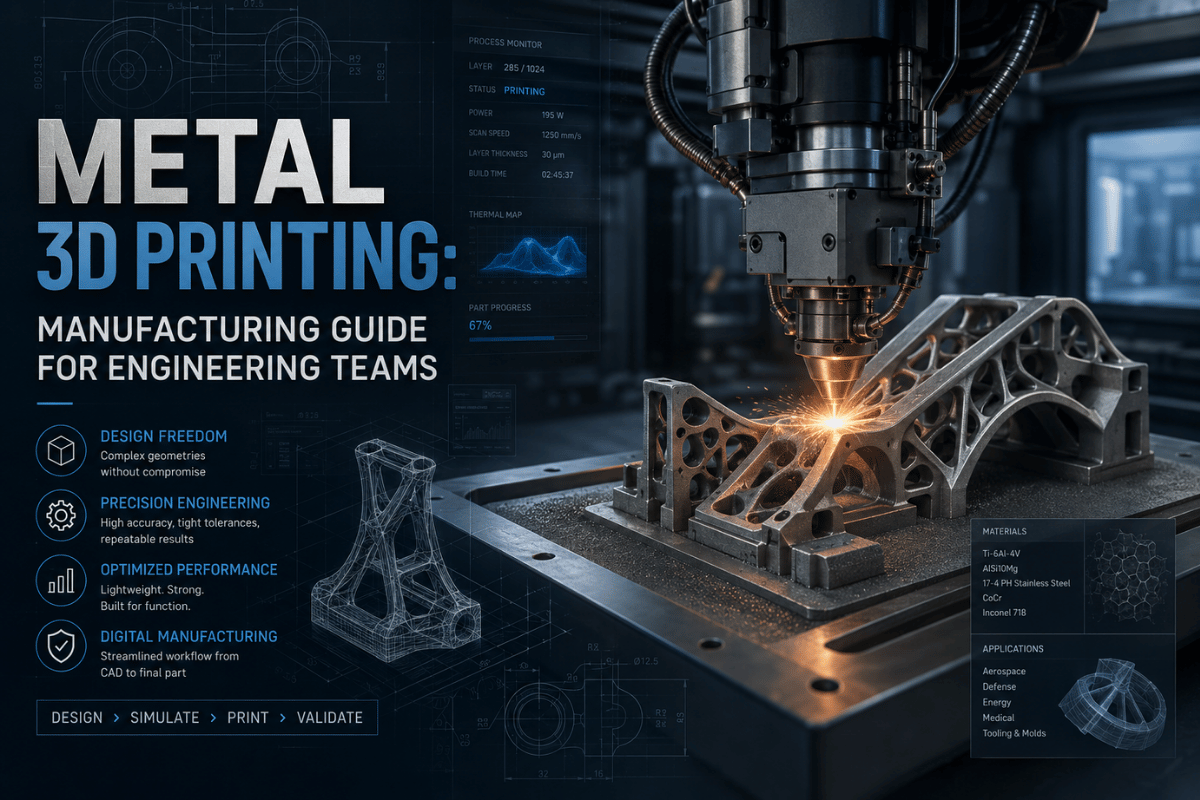
La impresión 3D en metal puede producir piezas metálicas funcionales a partir de un modelo digital, pero la decisión de compra no es sólo “¿puede imprimir metal?” Depende del proceso, aleación, geometría, ruta de acabado, plan de inspección y si a servicio de impresión 3D de metales puede controlar el riesgo mejor que la compra de una impresora interna.
Esta tabla es útil como pantalla de primer paso. Trate la tolerancia exacta, el tiempo de entrega y la disponibilidad como supuestos de cotización hasta que el proveedor haya visto los requisitos de CAD, orientación de las piezas, acabado e inspección.
| Área de especificaciones | Línea base del comprador | Por qué es importante |
|---|---|---|
| Principales rutas industriales | Sinterización directa por láser de metal (DMLS), fusión selectiva por láser (SLM), fusión por haz de electrones (EBM), inyección de aglutinante metálico, DED y tecnologías de impresión 3D relacionadas | Cada ruta cambia de densidad, estrategia de soporte, costo y posprocesamiento. |
| Energía de fusión de lecho en polvo | Láser o haz de electrones | La fuente de energía afecta la variedad de materiales, el estrés térmico y la ruta de calificación. |
| Aleaciones comunes | 316L, 17-4PH, Ti-6Al-4V, AlSi10Mg, Inconel 718, CoCr | La elección de la aleación impulsa la resistencia a la corrosión, el comportamiento de la temperatura y las necesidades de inspección. |
| Rutas AM metálicas lecreator | DMLS y SLM para titanio, acero inoxidable y aluminio | Buen ajuste para piezas metálicas aeroespaciales, médicas y de alto rendimiento. |
| Objetivo de precisión | La página de servicio de Lecreator indica precisión de +/-0,1 mm | Utilice esto como un reclamo de servicio, no como una tolerancia universal para cada geometría. |
| Postprocesamiento | Alivio de tensiones, remoción de soportes, acabado de superficies, mecanizado, inspección | Una pieza impresa rara vez está lista para cotizaciones cuando sale de la plataforma de compilación. |
| Referencias de calidad | Metrología NIST, textura superficial ASTM y estándares NDT | El lenguaje de inspección debe ser parte de la solicitud de cotización, no agregada después de una impresión fallida. |
| Mejor uso comercial | Geometría compleja, canales internos, piezas metálicas de bajo volumen, aleaciones de alto valor | El proceso gana cuando la geometría cambia el caso de fabricación. |
La impresión 3D de metal es una fabricación aditiva de piezas metálicas: el material se añade capa por capa en lugar de cortarse de la barra. En la fusión de lecho de polvo industrial, un láser o un haz de electrones fusiona una fina capa de polvo metálico, la plataforma de construcción cae y la siguiente capa de polvo se extiende.
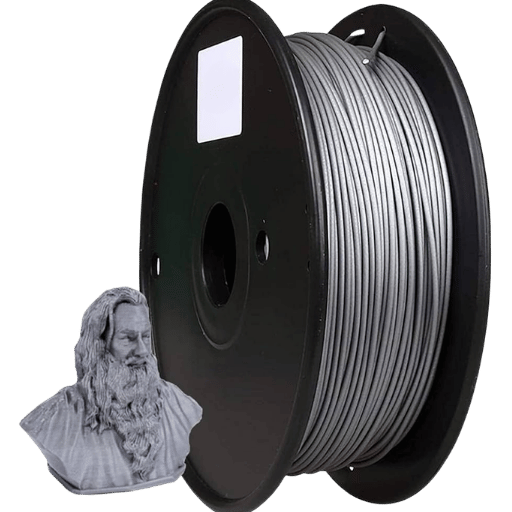
Esto es diferente de una impresora 3D de metal de escritorio que ejecuta filamento relleno de metal. Una pieza de filamento puede parecer metálica y contener polvo metálico, pero normalmente necesita pasos de desbobinado y sinterización antes de comportarse como una pieza metálica completa. Un comprador que solicite piezas de acero inoxidable, titanio o aluminio que soporten carga no debe tratar el PLA metálico decorativo como sustituto del DMLS, SLM u otro proceso de impresión 3D industrial.
No en el mismo sentido que la fabricación aditiva de metales industriales. Una impresora de escritorio normal puede extruir un filamento de polímero relleno de metal, pero no crea por sí sola una pieza metálica completamente funcional. La AM de metal real necesita calor controlado, polvo metálico o materia prima metálica unida, parámetros de proceso y, por lo general, posprocesamiento. TWI distingue los procesos AM metálicos como DMLS, SLM y EBM de la impresión de escritorio estándar.
Error común: enviar una solicitud de prototipo con apariencia metálica cuando la necesidad de ingeniería sea realmente resistencia, resistencia a la corrosión, comportamiento térmico o certificación. Inicie la conversación con el caso de carga final, no con la categoría de impresora.
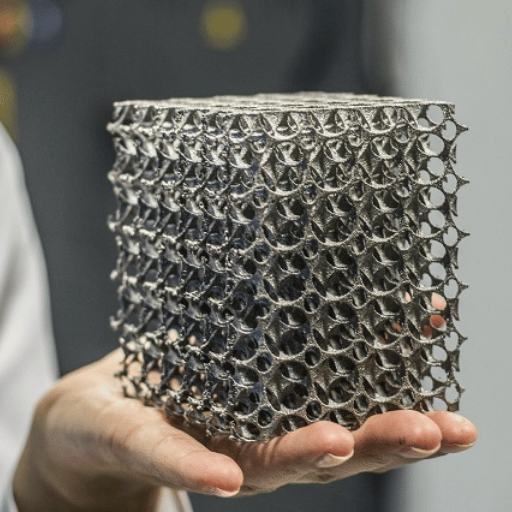
La mayoría de los compradores no tienen tiempo para una discusión de clase sobre cada abreviatura. En cambio, necesitan una indicación clara de la opción que mejor se adapta a la elección de un material metálico en particular, geometría, objetivo de resistencia, requisito de posprocesamiento e inspección final.
| Proceso | Formato del material | Buen ajuste | Punto de vigilancia |
|---|---|---|---|
| DMLS | Capa de polvo metálico | Prototipos funcionales de piezas metálicas y piezas de uso final de bajo volumen | Estructuras de soporte, tratamiento térmico e interfaces mecanizadas |
| SLM | Polvo metálico, lenguaje de fusión completo que se utiliza a menudo | Componentes metálicos densos donde las propiedades mecánicas importan | Planificación de tensiones térmicas y orientación |
| MBE | Polvo metálico, haz de electrones al vacío | Titanio y aplicaciones reguladas de alto valor | Disponibilidad de la máquina y ruta de calificación |
| Chorro de encuadernación | Polvo más aglutinante, luego desbobinar y sinterizar | La parte superior cuenta donde se puede controlar la contracción | Contracción, densidad y compensación dimensional del sinterizado |
| DED | Polvo o alambre alimentado a una fuente de energía | Reparación, características grandes y formas cercanas a la red | Detalles más gruesos y más trabajos de acabado |
Para los compradores de Lecreator, DMLS y SLM son las rutas metálicas relevantes en la página del servicio de impresión 3D. Combine esta sección con la más amplia Guía de servicio de impresión 3D si aún necesita comparar AM metálico con FDM, SLA, SLS o MJF.
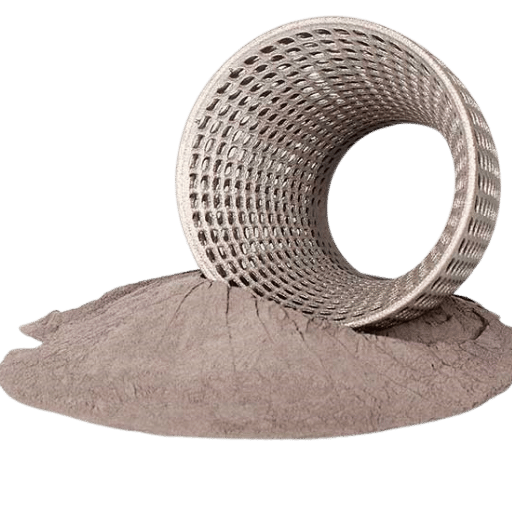
Las aleaciones metálicas imprimibles varían según el proceso y el proveedor. TWI enumera titanio, acero, acero inoxidable, aluminio, cobre y metales preciosos como materiales utilizados en la impresión 3D de metales, mientras que las RFQ de Lecreator pueden cubrir titanio, acero inoxidable y aluminio para trabajos DMLS/SLM.
| Familia de aleaciones | Razón típica para elegirlo | Nota de Adquisición |
|---|---|---|
| Acero inoxidable 316L | Resistencia a la corrosión y ductilidad | Si el diseño final es simple, compárelo con mecanizado CNC de acero inoxidable. |
| Acero inoxidable 17-4PH | Resistencia y dureza después del envejecimiento | Confirme el estado del tratamiento térmico en la solicitud de cotización. |
| Ti-6Al-4V titanio | Relación resistencia-peso, resistencia a la corrosión, biocompatibilidad | Para características prismáticas, compare con mecanizado CNC de titanio. |
| AlSi10Mg aluminio | Piezas ligeras que necesitan propiedades térmicas y valor estructural | Para características planas, fresadas o roscadas, incluya un mecanizado CNC de aluminio retroceder. |
| Inconel 718 | Alta temperatura, oxidación y carga mecánica | Solicite condiciones de tratamiento térmico y plan de inspección. |
| Cromo cobalto | Resistencia al desgaste y a la corrosión en aplicaciones exigentes | El certificado de material coincidente y el acabado deben finalizar su uso. |
No existe una respuesta única y más fuerte. Las superaleaciones de titanio, níquel, cromo cobalto y aceros inoxidables tratados térmicamente pueden ser fuertes en las condiciones adecuadas. La resistencia depende de la aleación, la calidad del polvo, la orientación, la porosidad, el tratamiento térmico, el acabado de la superficie y el método de prueba. El trabajo AM de metal del NIST se centra en aleaciones procesadas por AM, fatiga, fractura y ciencia de medición porque esos detalles cambian el rendimiento real.
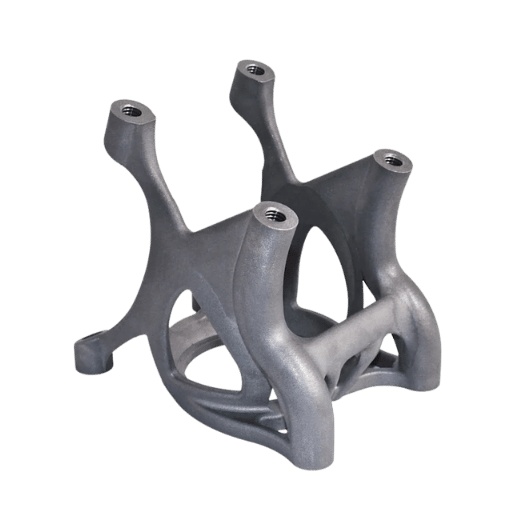
Comience con esta regla de diseño: no envíe un modelo CNC a impresoras metálicas y espere que el proceso lo arregle. Metal AM recompensa geometrías complejas que utilizan libertad aditiva, pero castiga el polvo atrapado, los soportes inaccesibles, las paredes delgadas sin soporte y las superficies que necesitan ser mecanizadas después de enterrarlas dentro de la pieza.
| Puerta | Pasa la pregunta | Qué enviar |
|---|---|---|
| 1. Geometría | ¿la pieza utiliza canales internos, celosía, consolidación o geometría compleja? | Archivo STEP más capturas de pantalla de funciones críticas. |
| 2. Aleación | ¿Está disponible la aleación en el proceso elegido? | Aleación objetivo y alternativas aceptables. |
| 3. Orientación | ¿Puede la dirección de construcción proteger la ruta de carga y el acabado? | Dirección de carga y caras cosméticas. |
| 4. Soportes | ¿Se pueden quitar los soportes sin dañar la pieza impresa? | Zonas de no soporte y límites de acceso. |
| 5. Eliminación de polvo | ¿puede la pólvora suelta escapar de canales y cavidades? | Vistas de sección e intención de drenaje. |
| 6. Finalizar | ¿qué características necesitan mecanizado, roscas, pulido o sellado? | Dimensiones críticas a la función. |
| 7. Inspección | ¿Qué prueba se necesita antes de su uso? | Informe de inspección, certificado de material o requisito de prueba. |
Úselo como rangos de discusión, no como límites universales del proceso. El proveedor aún tiene que confirmar la aleación, la máquina, la orientación, el plan de soporte, la ruta de inspección y si la redacción ISO/ASTM pertenece al paquete de dibujo.
| Artículo DFM | Rango inicial para discutir | Nota de solicitud de cotización |
|---|---|---|
| Grosor de la capa de lecho en polvo | 20 μm până la 60 μm | Pregunte si la velocidad de acabado o de construcción importa más. |
| Revisión de pared delgada | 0,8 mm până la 1,5 mm | Paredes de bandera que soportan carga o necesitan pulido. |
| Orificios de escape de pólvora | 2 mm a 5 mm | Mostrar cavidades atrapadas en vista de sección. |
| Material de mecanizado | 0,2 mm până la 0,8 mm | Reserve existencias para orificios, caras de sellado y asientos de cojinetes. |
| Objetivo de rugosidad superficial | Ra 6,3 μm a Ra 12,5 μm | Indique si es aceptable el pulido, pulido o mecanizado de perlas. |
| Reclamación de tolerancia crítica | +/-0,1 mm de reclamo de servicio | Trate las características críticas como elementos de inspección, no como suposiciones. |
| Muestreo de inspección | Dimensiones críticas de 100% | Separe las dimensiones críticas a la función de las dimensiones de referencia. |
| Soporte de limpieza de contactos | 0,3 mm a 1,0 mm de margen | Marque las caras cosméticas donde las cicatrices de contacto sean inaceptables. |
| Caras de sellado planas | Material de acabado de 0,1 mm a 0,3 mm | Llame a las caras que necesitan fresar o rectificar después de imprimir. |
| Características roscadas | Revisión piloto de 2 mm a 6 mm | Confirme si los hilos están impresos, roscados o insertados. |
| Solicitud de cupón de prueba | Cupón de 10 mm x 10 mm x 10 mm | Úselo sólo cuando la pieza requiera material o evidencia de acabado. |
Aparece la guía de diseño ISO/ASTM para la fusión de metales en lecho de polvo basada en láser Lista de normas actuales de fabricación aditiva de ASTM. Úselo como recordatorio: el diseño AM de metal es un método de fabricación, no una configuración de exportación de archivos, por lo que los consejos de diseño deben convertirse en entradas de RFQ. Si su diseño aún necesita superficies de contacto planas o orificios de precisión después de la impresión, planifique fresado CNC para superficies postmecanizadas o liberación anticipada del corte con alambre.
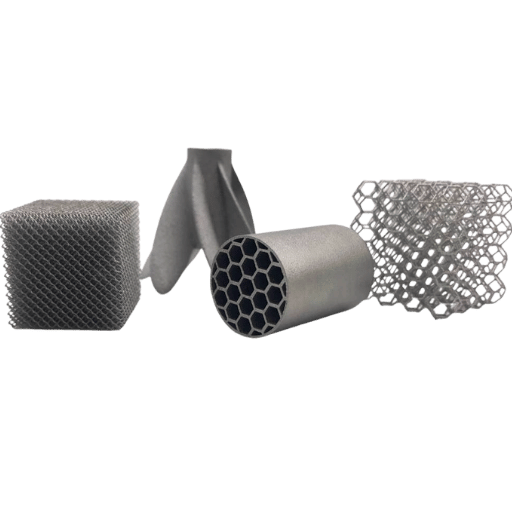
Una pieza metálica impresa no es automáticamente un componente metálico terminado. La salida de la máquina tiene la forma casi neta; la ruta de producción aún tiene que gestionar tensiones residuales, soportes, polvo suelto, rugosidad de la superficie, roscas, precisión dimensional, tratamiento térmico y evidencia de inspección.
| Requisito | Riesgo construido | Mejor lenguaje RFQ para posprocesamiento |
|---|---|---|
| Orificio o rosca apretados | Es posible que las dimensiones impresas no cumplan con el ajuste final | Imprima cerca de la red, luego el orificio/rosca de la máquina hasta el dibujo. |
| Cara selladora | La superficie construida puede tener fugas o desgaste | Máquina o pulir superficies de sellado marcadas. |
| Brazo cargado de fatiga | La textura de la superficie y los poros pueden reducir la vida a fatiga | Defina las necesidades de cupones de acabado, tratamiento térmico y prueba. |
| Parte médica o aeroespacial | Paquete de validación poco claro | Solicite trazabilidad de materiales, nivel de inspección y notas de validación de procesos. |
NIST enmarca AM metálico como un problema de medición y metrología tanto como un problema de impresión, y la lista de estándares de ASTM incluye medición de textura superficial y pruebas no destructivas para piezas de fusión de polvo láser. Para dispositivos médicos regulados, trate el lenguaje de validación y prueba como un trabajo de cumplimiento separado en lugar de una nota de dibujo tardía.
“Para AM de metal, una cotización limpia no es sólo una solicitud de precio. Es un plan de medición: lo que se debe imprimir, lo que se debe mecanizar y lo que se debe probar después del acabado”
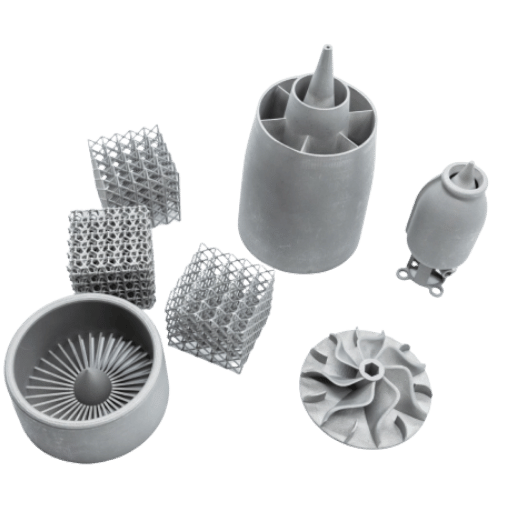
El precio de Metal AM incluye más que el tiempo de la máquina. La manipulación de polvo, el gas inerte, la configuración de la construcción, los soportes, el tratamiento térmico, el acabado, la inspección y el riesgo de chatarra se encuentran dentro de la cotización. OSHA señala que los materiales están finamente divididos como el aluminio o el hierro pueden ser explosivos en forma de polvo, y la Universidad Estatal de Wayne trata los polvos metálicos como peligrosos en las pautas de seguridad de la fabricación aditiva.
Una respuesta realista necesita el archivo CAD. Dos partes del mismo tamaño pueden tener precios muy diferentes si se necesitan soportes gruesos, limpieza con polvo atrapado, orificios post-mecanizados, tratamiento térmico e inspección 100%. Para reducir las revisiones de cotizaciones, envíe un archivo STEP, aleación objetivo, cantidad, dimensiones críticas, acabado, necesidades de inspección y cronograma aceptable. Si el diseño es simple y todas las funciones son accesibles, utilice Lecreator's Serviciu de mecanizare CNC como camino de comparación, en lugar de asumir que la AM metálica es más barata.
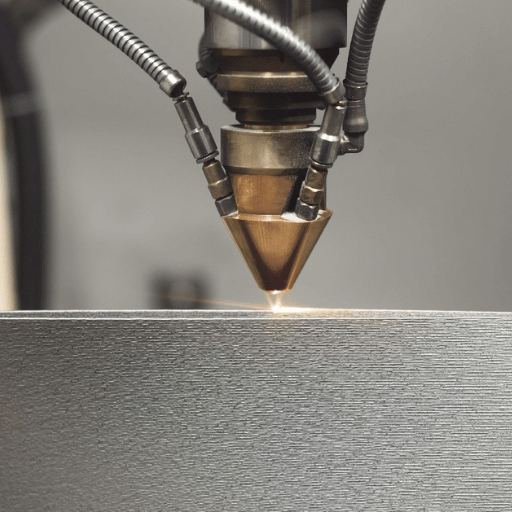
Metal AM no es un reemplazo universal para la fabricación tradicional, como el mecanizado, la fundición, la chapa metálica o el moldeo por inyección. Crea valor cuando la geometría aditiva reduce el número de ensamblajes, permite canales internos, acorta el retraso de las herramientas o hace posible un componente metálico de alto rendimiento a bajo volumen. El punto es más fuerte cuando la libertad de diseño cambia el producto y no solo el método de producción.
| Caso de uso | Por qué encaja Metal AM | Nota de decisión |
|---|---|---|
| Soportes aeroespaciales | Reduzca el peso, mejore la relación resistencia-peso y consolide las piezas | Compare las necesidades de calificación con mecanizado CNC aeroespacial rutas. |
| Implantes e instrumentos médicos | Geometría personalizada y estructuras porosas | Planificar la validación del proceso y la caracterización del material de forma temprana. |
| Colectores de transferencia de calor | Canales internos que no se pueden perforar de forma convencional | Agregue la ruta de eliminación de polvo y el requisito de prueba de presión. |
| Insertos de herramientas | Enfriamiento conforme y creación rápida de prototipos de conceptos de herramientas | Comprobar si servicio de creación rápida de prototipos además, el mecanizado es más rápido. |
| Prototipo en metal final | Pruebe la geometría antes de la herramienta o la fundición | Si el prototipo puede ser polímero, Impresión FDM puede responder preguntas de diseño anteriores a menor costo. |
Un escenario práctico: un equipo de producto necesita un pequeño soporte de titanio con vías de carga orgánicas y espacio libre para cables a través del cuerpo. Mecanizarlo desde el tocho requeriría múltiples configuraciones y dejaría gran parte del material como virutas. Metal AM puede imprimir la forma casi neta y luego mecanizar las caras de montaje y los orificios. Si el mismo soporte fuera un bloque rectangular con dos orificios perforados, el CNC probablemente seguiría siendo más simple.
Para un proyecto piloto, agregue una línea de referencia a la solicitud de cotización antes de que comience la producción: cronograma objetivo del proyecto, rendimiento esperado, tasa de reelaboración aceptable y el resultado de producción que justificaría pasar del prototipo al orden repetido. Si esos campos están en blanco, la primera compilación se convierte en un estudio de caso después del hecho en lugar de un plan de implementación controlada.
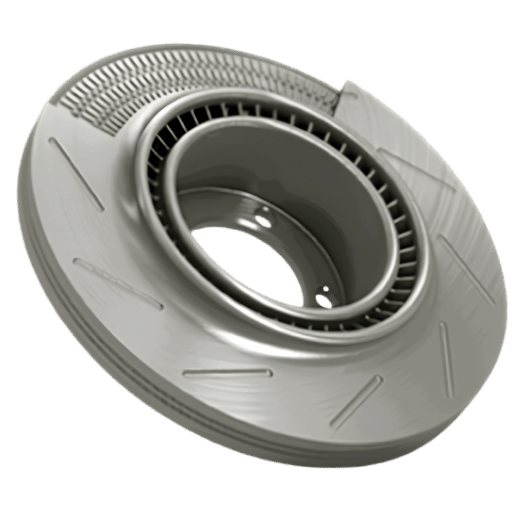
Una RFQ limpia reduce los desplazamientos porque separa la viabilidad de impresión de los requisitos de la pieza final. Para las RFQ de Lecreator, las señales de servicio relevantes incluyen más de 50 materiales, impresión metálica DMLS/SLM, entrega urgente de 24 a 48 horas, lenguaje de verificación de dimensiones ISO 9001, AS9100, ISO 13485 y 100%. Un mejor paquete hace que el precio de la ruta correcta sea más fácil.
Si su pieza tiene una geometría metálica compleja, envíe el paquete de 12 campos de arriba y solicite comentarios de DFM antes de bloquear el dibujo. Si su pieza es plana, doblada o cortada de la hoja, a servicios de fabricación de chapa el camino puede ser más directo.
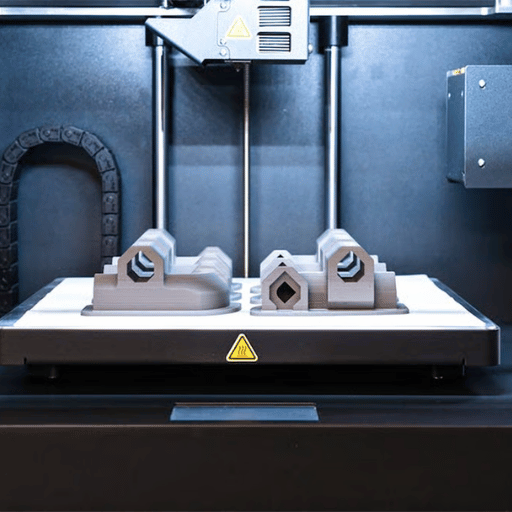
Para la planificación de 2026, la pregunta útil no es si la fabricación aditiva de metales está creciendo. Es qué partes del proceso son cada vez más fáciles de especificar, calificar y repetir. Las recientes señales de demanda de búsqueda muestran un creciente interés en la impresión 3D industrial y la impresión 3D SLM, lo que respalda el paso de la curiosidad a la evaluación de la producción.
Los estándares dan una señal más clara que el revuelo. La página actual de estándares de fabricación aditiva de ASTM enumera las entradas de 2023 y 2024 para la calificación de operadores de AM de metales, medición de textura de superficies, grados de piezas automotrices y niveles de inspección o pruebas no destructivas para piezas de fusión de polvo láser. Las páginas AM metálicas del NIST, actualizadas en 2025, también se centran en metrología, rendimiento de aleaciones, fatiga, fractura y estándares de medición.
Para los compradores, la acción es sencilla: si planifica un proyecto para 2026, escriba el paquete de inspección y posprocesamiento antes de solicitar cotizaciones. Eso permite al proveedor fijar el precio de la ruta de fabricación, no adivinar el riesgo. Para componentes médicos y regulados, compare el paquete con los requisitos de calidad del dispositivo aplicables antes de que las opciones de prototipos se conviertan en supuestos de producción.
Sí. Los sistemas industriales pueden imprimir metal en 3D mediante fusión de lecho de polvo, DMLS, SLM, EBM, inyección de aglutinante o DED.
Los materiales metálicos comunes de AM incluyen acero inoxidable, titanio, aluminio, aleaciones de níquel como Inconel, cromo cobalto, aceros para herramientas, aleaciones de cobre y metales preciosos. La disponibilidad depende del proveedor, la máquina, el estado del material y el requisito de prueba final.
A menudo lo es, en comparación con la impresión con polímeros o el mecanizado simple. Las cotizaciones incluyen polvo metálico, configuración de la máquina, atmósfera inerte, eliminación de soporte, tratamiento térmico, acabado, inspección y riesgo de chatarra. El gasto es más fácil de defender cuando la pieza utiliza una geometría que otro proceso no puede hacer bien, como conductos de enfriamiento internos, regiones de red, consolidación de piezas o una aleación de bajo volumen y alta temperatura. Para bloques, placas y formas torneadas simples, solicite una comparación de mecanizado antes de aprobar AM.
SLM a menudo se describe como polvo metálico completamente fundido, mientras que DMLS a menudo se describe como polvo metálico sinterizado o fusionado. En muchas discusiones sobre adquisiciones, ambos se sientan dentro de la fusión de lecho de polvo láser. Pregunte al proveedor sobre la aleación, la densidad, el tratamiento térmico, la estrategia de soporte y la inspección en lugar de elegir únicamente por el acrónimo.
A menudo sí. Soporta anclar la pieza, proporciona una base para voladizos y ayuda a gestionar el calor durante la construcción. Los soportes también añaden costos porque consumen material, afectan el acabado de la superficie y necesitan ser retirados. Diseñe la pieza de manera que se pueda alcanzar y retirar los soportes de forma segura.
La precisión depende del proceso, la máquina, la aleación, la orientación, la geometría y el acabado. La página de servicio de impresión 3D de Lecreator establece una precisión de +/-0,1 mm, pero es posible que los orificios, roscas, caras de sellado y superficies de soporte críticos aún necesiten acabado CNC o tolerancias específicas de inspección.
Puede ser muy fuerte, pero la resistencia no es una propiedad genérica del “metal impreso en 3D”. Depende de la aleación, la calidad del polvo, la orientación de las piezas, la porosidad, el tratamiento térmico, el acabado de la superficie y el método de prueba. El comportamiento de fatiga merece especial atención cuando la pieza se cicla bajo carga.
El tiempo de entrega varía según la cola de construcción, el tamaño de la pieza, la aleación, el tratamiento térmico, el acabado, la inspección y el envío. Lecreator puede ofrecer entrega urgente de 24 a 48 horas para su servicio de impresión 3D, pero las piezas metálicas reguladas o con mucho acabado necesitan una revisión por parte del proveedor antes de que el cronograma se trate como firme.
Aquí en Lecreator, separamos las notas factuales respaldadas por fuentes de las afirmaciones de servicio. Durante la revisión de DFM, verifique cualquier número que se refiera a precisión o entrega porque la geometría, la aleación, la orientación, el acabado de la superficie y la inspección de las piezas metálicas pueden influir en el precio.